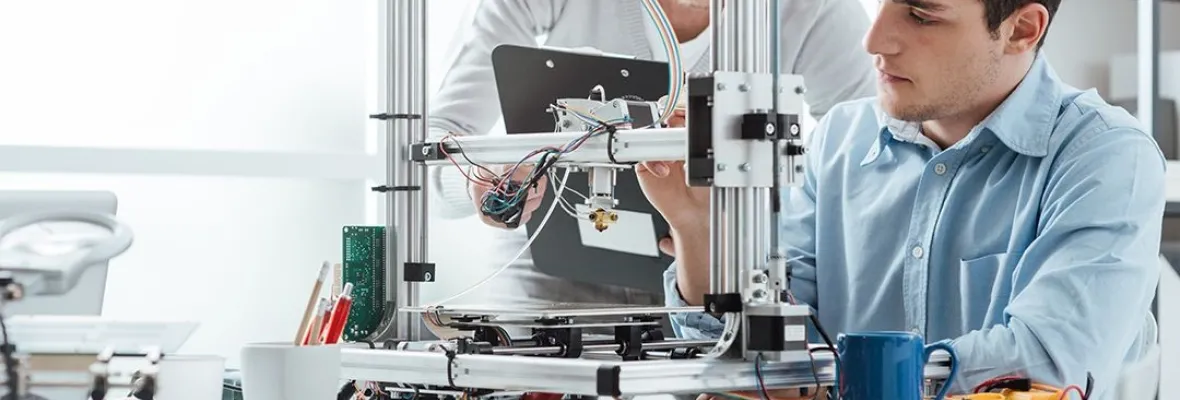
AAU universities conduct a majority of the federally funded university research that contributes to our economic competitiveness, health and well-being, and national security. AAU universities are growing our economy through invention and innovation while preparing the next generation of scientists and engineers for global leadership. By moving research into the marketplace AAU universities are helping to create jobs, and provide society with new medicines and technologies.
A study by researchers at Duke University School of Medicine found that supplying healthy mitochrondra to damaged nerve cells can signifantly help millions managing pain from diabetic neuropathy and chemotherapy.
Researchers from the USF College of Marine Science are studying soft tissue samples from barnacles, oysters, and fish to better understand the state of contamination and its origins in Tampa Bay, Florida's largest estuary.
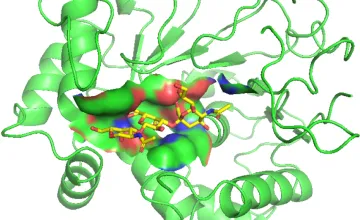
The advancement lays the groundwork for creating a library of sugar-recognizing proteins that may help detect and treat diverse illnesses.
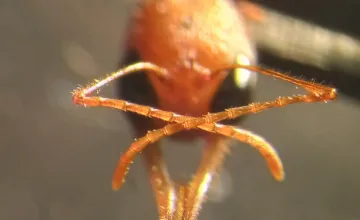
The olfactory senses of ants help them hunt, detect outsiders, and know their role within a colony. In a new study, researchers have discovered how ants can switch one gene on out of hundreds to ensure their survival.
Explore More: University Research
You can filter stories by the university.
Yale researchers reveal how brain cells form precise circuits before experience shapes wiring. Using advanced microscopy, they discovered spontaneous activity guides early brain development, reshaping our understanding of neural circuit formation.
Your DNA has long been known to play a role in shaping your personality. Now, researchers at Yale School of Medicine (YSM) have taken another step in determining exactly how by identifying a number of new genetic sites associated with specific personality traits.
New research from the University of Kansas represents a scientific revision in the assumed origins of a group of snakes that include terrifying and highly venomous species as well as species widely popular as pets.
UMD geologists uncovered evidence of a section of seafloor that sank into the Earth's mantle when dinosaurs roamed the Earth; it's located off the west coast of South America in a zone known as the East Pacific Rise.
New study from UBuffalo shows that AI investment plus a connected, skilled workforce is a winning combination.