
AAU universities conduct a majority of the federally funded university research that contributes to our economic competitiveness, health and well-being, and national security. AAU universities are growing our economy through invention and innovation while preparing the next generation of scientists and engineers for global leadership. By moving research into the marketplace AAU universities are helping to create jobs, and provide society with new medicines and technologies.

A study by researchers at Duke University School of Medicine found that supplying healthy mitochrondra to damaged nerve cells can signifantly help millions managing pain from diabetic neuropathy and chemotherapy.

Researchers from the USF College of Marine Science are studying soft tissue samples from barnacles, oysters, and fish to better understand the state of contamination and its origins in Tampa Bay, Florida's largest estuary.
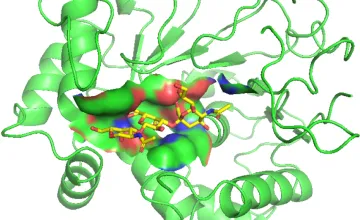
The advancement lays the groundwork for creating a library of sugar-recognizing proteins that may help detect and treat diverse illnesses.
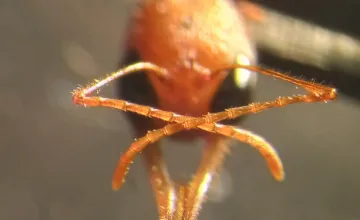
The olfactory senses of ants help them hunt, detect outsiders, and know their role within a colony. In a new study, researchers have discovered how ants can switch one gene on out of hundreds to ensure their survival.
Explore More: University Research
You can filter stories by the university.
Dramatically expanding climate-action policies across all levels of government, sectors of society and the economy could slash U.S. greenhouse gas emissions by 65% by 2035 compared to 2005 levels, according to a new report from the University of Maryland.
This research from the University of California, Berkeley, focuses on using Neurospora fungi to transform food waste into nutritious and tasty culinary products.
A new report co-authored by Yale School of Public Health Dean Dr. Megan L. Ranney examines how alcohol, drug, and firearm deaths have lowered life expectancy in the United States and contributed to a widening gap in life expectancy between the U.S. and other high-income countries.
The University of Maryland is conducting a groundbreaking study on how respiratory infections like the flu spread, focusing on the role of airborne transmission.
Research from UBuffalo is combating the rise of a hypervirulent strain of Klebsiella pneumoniae, which can infect healthy individuals and has become resistant to some antibiotics. The team have identified the genetic factors responsible for its virulence, aiming to develop therapies, treatments, and diagnostic tools.