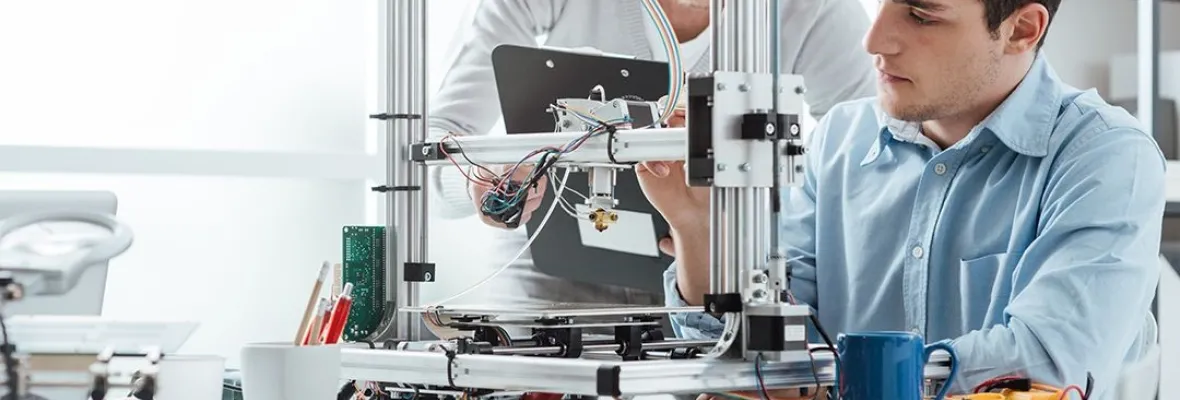
AAU universities conduct a majority of the federally funded university research that contributes to our economic competitiveness, health and well-being, and national security. AAU universities are growing our economy through invention and innovation while preparing the next generation of scientists and engineers for global leadership. By moving research into the marketplace AAU universities are helping to create jobs, and provide society with new medicines and technologies.
A study by researchers at Duke University School of Medicine found that supplying healthy mitochrondra to damaged nerve cells can signifantly help millions managing pain from diabetic neuropathy and chemotherapy.

Researchers from the USF College of Marine Science are studying soft tissue samples from barnacles, oysters, and fish to better understand the state of contamination and its origins in Tampa Bay, Florida's largest estuary.
The advancement lays the groundwork for creating a library of sugar-recognizing proteins that may help detect and treat diverse illnesses.
The olfactory senses of ants help them hunt, detect outsiders, and know their role within a colony. In a new study, researchers have discovered how ants can switch one gene on out of hundreds to ensure their survival.
Explore More: University Research
You can filter stories by the university.
A Professor’s Discovery of a Nearly 4,000-Year-Old Buried Log Suggests a New Climate Change Solution
UMD-led Study Finds Burying Wood in Proper Conditions Prevents Greenhouse Gas Emissions
A seemingly ordinary old log could help redefine strategies to tackle climate change, according to a new University of Maryland study.
A new experimental method allows researchers to dissect how certain proteins, called pioneer factors, can bind to selective regions of the genome that are inaccessible to other DNA binding proteins.
A new study documents how Southern Californians are chronically being exposed to toxic airborne chemicals called plasticizers, including one that’s been banned from children’s items and beauty products.
A research team from the University of Oregon is focusing on developing nanomechanical resonators—tiny, atom-thick drumheads that vibrate at specific frequencies, creating programmable materials with potential for advanced computing.
Research from the University of Maryland examines the economic and cultural impact of Major League Baseball's return to Washington, D.C., 20 years after the Montreal Expos relocated and became the Washington Nationals.