
AAU universities conduct a majority of the federally funded university research that contributes to our economic competitiveness, health and well-being, and national security. AAU universities are growing our economy through invention and innovation while preparing the next generation of scientists and engineers for global leadership. By moving research into the marketplace AAU universities are helping to create jobs, and provide society with new medicines and technologies.
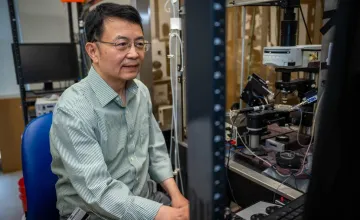
A study by researchers at Duke University School of Medicine found that supplying healthy mitochrondra to damaged nerve cells can signifantly help millions managing pain from diabetic neuropathy and chemotherapy.

Researchers from the USF College of Marine Science are studying soft tissue samples from barnacles, oysters, and fish to better understand the state of contamination and its origins in Tampa Bay, Florida's largest estuary.
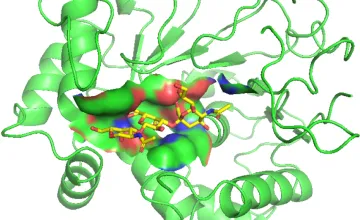
The advancement lays the groundwork for creating a library of sugar-recognizing proteins that may help detect and treat diverse illnesses.
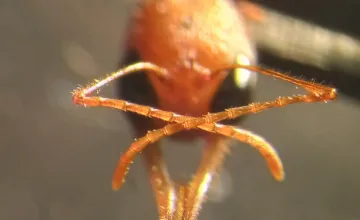
The olfactory senses of ants help them hunt, detect outsiders, and know their role within a colony. In a new study, researchers have discovered how ants can switch one gene on out of hundreds to ensure their survival.
Explore More: University Research
You can filter stories by the university.
Warming temperatures in cold-climate peatlands may over time trigger decomposition of old, deeply buried peat and increase emissions of climate-harming methane and carbon dioxide into the air, according to a study led by a former University of Oregon doctoral student.
As part of his master’s program at The Ohio State University, public health student Ajeet Gill was supposed to spend his summer working with a local nonprofit distributing meals and essential services to vulnerable communities, but due to COVID-19, he took the unique opportunity to assist with contact tracing in Ohio.
A team of Northwestern University engineers has found a way to retrofit a common commercial emergency ventilator (Vortran Go2Vent®) into a device better suited for COVID-19 patients.
University of Washington created the free, online course Every Contact Counts to support public health agencies in their contact tracing efforts
Northwestern University researchers have developed a new method for testing for SARS-CoV-2 (the virus that causes COVID-19) antibodies. The method requires only a single drop of blood collected from a simple finger prick.