
AAU universities conduct a majority of the federally funded university research that contributes to our economic competitiveness, health and well-being, and national security. AAU universities are growing our economy through invention and innovation while preparing the next generation of scientists and engineers for global leadership. By moving research into the marketplace AAU universities are helping to create jobs, and provide society with new medicines and technologies.
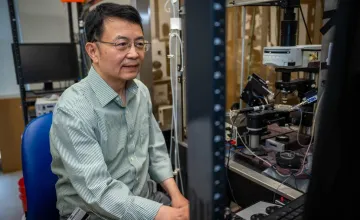
A study by researchers at Duke University School of Medicine found that supplying healthy mitochrondra to damaged nerve cells can signifantly help millions managing pain from diabetic neuropathy and chemotherapy.

Researchers from the USF College of Marine Science are studying soft tissue samples from barnacles, oysters, and fish to better understand the state of contamination and its origins in Tampa Bay, Florida's largest estuary.
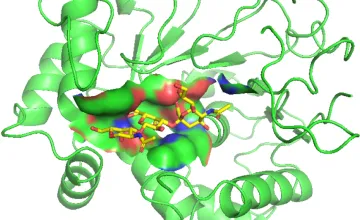
The advancement lays the groundwork for creating a library of sugar-recognizing proteins that may help detect and treat diverse illnesses.
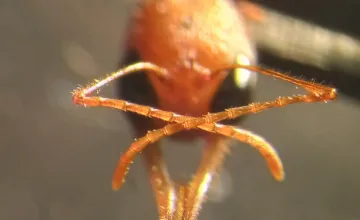
The olfactory senses of ants help them hunt, detect outsiders, and know their role within a colony. In a new study, researchers have discovered how ants can switch one gene on out of hundreds to ensure their survival.
Explore More: University Research
You can filter stories by the university.
Experts from USC discuss how COVID-19 has affected the gig economy
The Convergence Accelerator Office in the Office of Integrative Activities at the National Science Foundation (NSF) has awarded two researchers at the San Diego Supercomputer Center (SDSC) funding to organize COVID-19 information into a transdisciplinary knowledge network that integrates health, pathogen, and environmental data to better track cases to improve analysis and forecasting across the greater San Diego region.
How should children learn about COVID-19? Two University at Buffalo medical students created an adorable, original character named Berry Bunny to explain coronavirus to kids in a clear, colorful and easy-to-understand story, complete with illustrations and activities.
Listen to an interview with Stanford Health Care executive Catherine Krna about what prepared her for the pandemic.
An inexpensive and readily available saline solution can be used to safely store and transport coronavirus samples and help resolve a nationwide shortage of the solution needed to complete COVID-19 testing, according to Rutgers researchers.