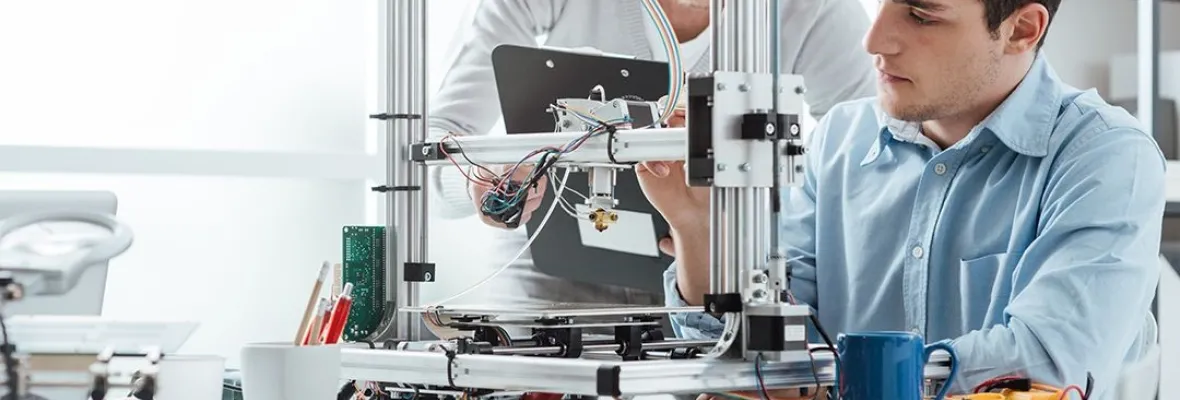
AAU universities conduct a majority of the federally funded university research that contributes to our economic competitiveness, health and well-being, and national security. AAU universities are growing our economy through invention and innovation while preparing the next generation of scientists and engineers for global leadership. By moving research into the marketplace AAU universities are helping to create jobs, and provide society with new medicines and technologies.
A study by researchers at Duke University School of Medicine found that supplying healthy mitochrondra to damaged nerve cells can signifantly help millions managing pain from diabetic neuropathy and chemotherapy.

Researchers from the USF College of Marine Science are studying soft tissue samples from barnacles, oysters, and fish to better understand the state of contamination and its origins in Tampa Bay, Florida's largest estuary.
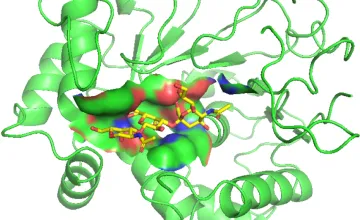
The advancement lays the groundwork for creating a library of sugar-recognizing proteins that may help detect and treat diverse illnesses.
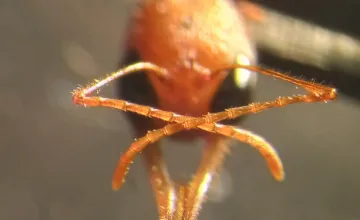
The olfactory senses of ants help them hunt, detect outsiders, and know their role within a colony. In a new study, researchers have discovered how ants can switch one gene on out of hundreds to ensure their survival.
Explore More: University Research
You can filter stories by the university.
A construction project manager at Ohio State University called to service supporting the Mid-Ohio Foodbank distributing food throughout the region
“Nurses make sacrifices every day, but during this unprecedented time they are stepping up, acting courageously and being the force that leads the way in our community,” said Margarita Baggett, chief clinical officer at UC San Diego Health
UW researchers report that in a sample of more than 400 6- to 12-month-old infants, those who were later diagnosed with autism were more likely to have had difficulty falling asleep. This sleep difficulty was associated with altered growth trajectories in the hippocampus.
Ice from glaciers around the world, undisturbed for centuries, show changes in how societies functioned throughout history – and will likely hold a record of the current impact of the COVID-19 pandemic for future generations.
A University of Utah engineer received a $200,000 National Science Foundation Rapid Response Research (RAPID) grant to develop a portable, reusable coronavirus sensor that people can always carry with them