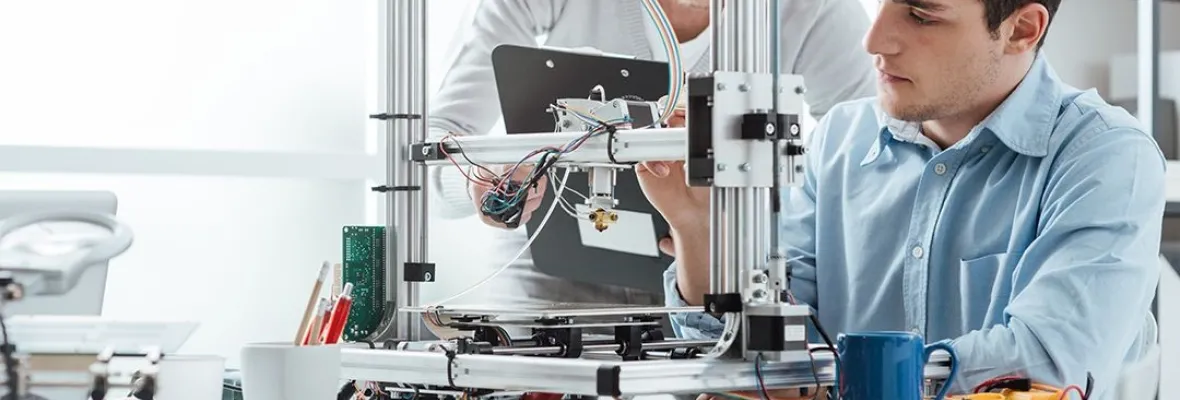
AAU universities conduct a majority of the federally funded university research that contributes to our economic competitiveness, health and well-being, and national security. AAU universities are growing our economy through invention and innovation while preparing the next generation of scientists and engineers for global leadership. By moving research into the marketplace AAU universities are helping to create jobs, and provide society with new medicines and technologies.
A study by researchers at Duke University School of Medicine found that supplying healthy mitochrondra to damaged nerve cells can signifantly help millions managing pain from diabetic neuropathy and chemotherapy.

Researchers from the USF College of Marine Science are studying soft tissue samples from barnacles, oysters, and fish to better understand the state of contamination and its origins in Tampa Bay, Florida's largest estuary.
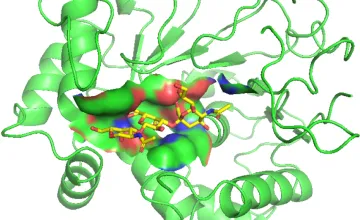
The advancement lays the groundwork for creating a library of sugar-recognizing proteins that may help detect and treat diverse illnesses.
The olfactory senses of ants help them hunt, detect outsiders, and know their role within a colony. In a new study, researchers have discovered how ants can switch one gene on out of hundreds to ensure their survival.
Explore More: University Research
You can filter stories by the university.
An interdisciplinary team has developed a way to track how particles charge and discharge at the nanoscale, an advance that will lead to better batteries for all sorts of mobile applications.
New research at Michigan State University and published in the current issue of Nature Communications shows how Geobacter bacteria grow as films on electrodes and generate electricity – a process that’s ready to be scaled up to industrial levels.
A new wrinkle on an old technology – solid-state thermophotovoltaics (TPV) – could provide a high-efficiency alternative for directly converting high-temperature heat from concentrated solar thermal to utility-scale electricity.
Georgia Institute of Technology | Energy Storage/Distribution | Research to Secure Our Energy Future
A new study by researchers from the University of British Columbia, University of Washington and elsewhere, measured ambient and indoor household air pollution before and after a carbon-finance-approved cookstove intervention in rural India, found that the improvements were less than anticipated.
A Yale-led team of researchers developed a new approach to scanning the brain for changes in synapses that are associated with common brain disorders. The technique may provide insights into the diagnosis and treatment of a broad range of disorders, including epilepsy and Alzheimer’s disease.