
AAU universities conduct a majority of the federally funded university research that contributes to our economic competitiveness, health and well-being, and national security. AAU universities are growing our economy through invention and innovation while preparing the next generation of scientists and engineers for global leadership. By moving research into the marketplace AAU universities are helping to create jobs, and provide society with new medicines and technologies.
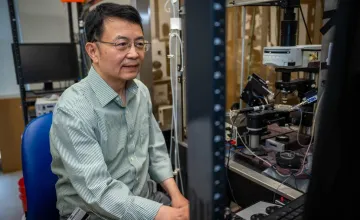
A study by researchers at Duke University School of Medicine found that supplying healthy mitochrondra to damaged nerve cells can signifantly help millions managing pain from diabetic neuropathy and chemotherapy.

Researchers from the USF College of Marine Science are studying soft tissue samples from barnacles, oysters, and fish to better understand the state of contamination and its origins in Tampa Bay, Florida's largest estuary.
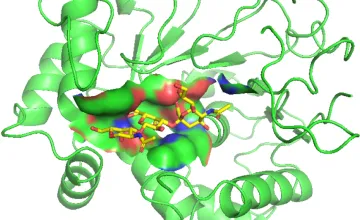
The advancement lays the groundwork for creating a library of sugar-recognizing proteins that may help detect and treat diverse illnesses.
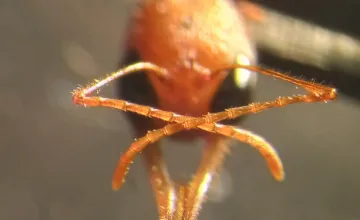
The olfactory senses of ants help them hunt, detect outsiders, and know their role within a colony. In a new study, researchers have discovered how ants can switch one gene on out of hundreds to ensure their survival.
Explore More: University Research
You can filter stories by the university.
A collaboration involving a Rutgers University-New Brunswick cosmologist, along with hundreds of other researchers and dozens of institutions, is exploring the nature of dark energy, a mysterious driver of the universe's accelerating expansion, aided by high-tech experiments and very precise data.
Physicians at the University at Buffalo performed their first surgery on a sleep apnea patient using a new, FDA-approved device which helps keep the airway open during sleep by controlling the muscle in the tongue.
Researchers at UC Irvine and other institutions have noticed contradictory wildfire trends worldwide, discovering that despite a 26 percent decline in total burned area from 2002 to 2021, the number of people exposed to wildfires has surged by nearly 40 percent.
Yale researchers have developed a new computer tool that uses math and machine learning to discover when genes turn on and off to provide patients with better gene therapy treatments.
How do you know when a newborn is in pain — especially one too weak to cry?