
AAU universities conduct a majority of the federally funded university research that contributes to our economic competitiveness, health and well-being, and national security. AAU universities are growing our economy through invention and innovation while preparing the next generation of scientists and engineers for global leadership. By moving research into the marketplace AAU universities are helping to create jobs, and provide society with new medicines and technologies.
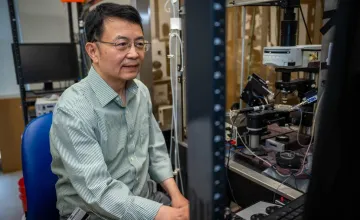
A study by researchers at Duke University School of Medicine found that supplying healthy mitochrondra to damaged nerve cells can signifantly help millions managing pain from diabetic neuropathy and chemotherapy.

Researchers from the USF College of Marine Science are studying soft tissue samples from barnacles, oysters, and fish to better understand the state of contamination and its origins in Tampa Bay, Florida's largest estuary.
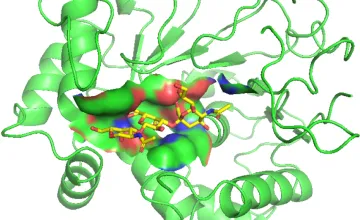
The advancement lays the groundwork for creating a library of sugar-recognizing proteins that may help detect and treat diverse illnesses.
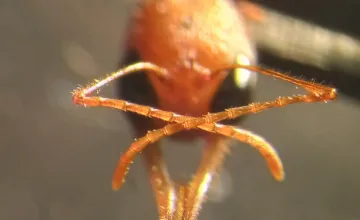
The olfactory senses of ants help them hunt, detect outsiders, and know their role within a colony. In a new study, researchers have discovered how ants can switch one gene on out of hundreds to ensure their survival.
Explore More: University Research
You can filter stories by the university.
A new Yale study has found a promising target for treating COVID-19-induced brain fog and offers new insight into the origin of Alzheimer’s disease.
Yale researchers have developed an efficient system to extract and convert dissolved CO₂ into clean fuels and useful industrial feedstock, potentially transforming seawater into a sustainable source for carbon-based products while helping balance oceanic CO₂ levels.
A new study using AI in order to deploy small neural networks reveals how and why people make the decisions they make.
Dr. Elizabeth Jonas' research into mitochondrial dysfunction and how it affects the brain may reveal new ways of managing or even preventing neurodegenerative diseases.
A new study concerning the vulnerability of coronaviruses to protein inhibitors point toward potential antiviral therapies to combat future coronavirus pandemics.