AAU universities conduct a majority of the federally funded university research that contributes to our economic competitiveness, health and well-being, and national security. AAU universities are growing our economy through invention and innovation while preparing the next generation of scientists and engineers for global leadership. By moving research into the marketplace AAU universities are helping to create jobs, and provide society with new medicines and technologies.
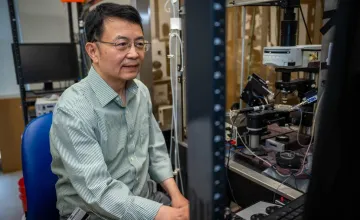
A study by researchers at Duke University School of Medicine found that supplying healthy mitochrondra to damaged nerve cells can signifantly help millions managing pain from diabetic neuropathy and chemotherapy.
Researchers from the USF College of Marine Science are studying soft tissue samples from barnacles, oysters, and fish to better understand the state of contamination and its origins in Tampa Bay, Florida's largest estuary.
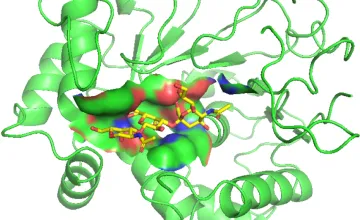
The advancement lays the groundwork for creating a library of sugar-recognizing proteins that may help detect and treat diverse illnesses.
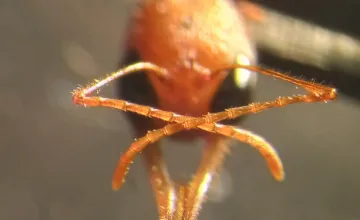
The olfactory senses of ants help them hunt, detect outsiders, and know their role within a colony. In a new study, researchers have discovered how ants can switch one gene on out of hundreds to ensure their survival.
Explore More: University Research
You can filter stories by the university.
Researchers at the University of Colorado Boulder are developing a series of “tech tattoos” that don’t just linger in your skin and look cool—they also change color in response to diverse signals.
Real-world learning experiences, like summer camps, can significantly improve children’s knowledge in a matter of just days, a new study suggests.
In the hours and days following a spinal cord injury, the gears that control the body’s internal clocks fall profoundly out of sync, impacting body temperature, hormone fluctuation, immunity and the timing of a host of other bodily processes, according to new CU Boulder research.
A new study from Michigan State University and New York University reveals a surprising level of vulnerability in fingerprint authentication systems.
A new USC study shows that older African-Americans who received culturally tailored text messages about Alzheimer’s disease had the highest increase in Alzheimer’s disease literacy levels when compared with other participants.