
AAU universities conduct a majority of the federally funded university research that contributes to our economic competitiveness, health and well-being, and national security. AAU universities are growing our economy through invention and innovation while preparing the next generation of scientists and engineers for global leadership. By moving research into the marketplace AAU universities are helping to create jobs, and provide society with new medicines and technologies.
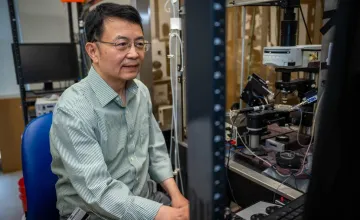
A study by researchers at Duke University School of Medicine found that supplying healthy mitochrondra to damaged nerve cells can signifantly help millions managing pain from diabetic neuropathy and chemotherapy.

Researchers from the USF College of Marine Science are studying soft tissue samples from barnacles, oysters, and fish to better understand the state of contamination and its origins in Tampa Bay, Florida's largest estuary.
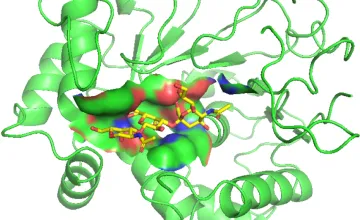
The advancement lays the groundwork for creating a library of sugar-recognizing proteins that may help detect and treat diverse illnesses.
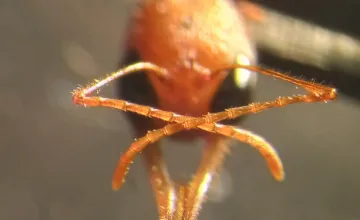
The olfactory senses of ants help them hunt, detect outsiders, and know their role within a colony. In a new study, researchers have discovered how ants can switch one gene on out of hundreds to ensure their survival.
Explore More: University Research
You can filter stories by the university.
A new study directly links sleep to the immune system and provides a potential explanation for how sleep increases during sickness.
Drinking sugary, caffeinated soft drinks while exercising in hot weather may increase the risk of kidney disease, according to the results of a new study.
A team of UCLA-led scientists has discovered important clues to what goes wrong in the brains of people with autism — a developmental disorder with no cure and for which scientists have no deep understanding of what causes it.
MIT engineers have developed a robot to play a slow-moving, yet surprisingly agile game of Jenga. Machine-learning approach could help robots assemble cellphones and other small parts in a manufacturing line.
A new study of lamprey's regenerative abilities opens up a new path for identifying pro-regenerative molecules and potential therapeutic targets for human spinal cord injury.