
AAU universities conduct a majority of the federally funded university research that contributes to our economic competitiveness, health and well-being, and national security. AAU universities are growing our economy through invention and innovation while preparing the next generation of scientists and engineers for global leadership. By moving research into the marketplace AAU universities are helping to create jobs, and provide society with new medicines and technologies.
A study by researchers at Duke University School of Medicine found that supplying healthy mitochrondra to damaged nerve cells can signifantly help millions managing pain from diabetic neuropathy and chemotherapy.

Researchers from the USF College of Marine Science are studying soft tissue samples from barnacles, oysters, and fish to better understand the state of contamination and its origins in Tampa Bay, Florida's largest estuary.
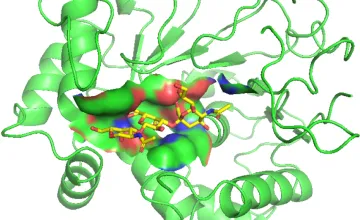
The advancement lays the groundwork for creating a library of sugar-recognizing proteins that may help detect and treat diverse illnesses.
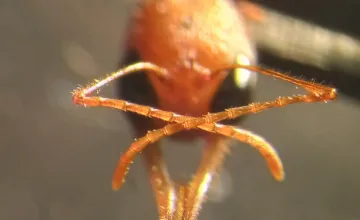
The olfactory senses of ants help them hunt, detect outsiders, and know their role within a colony. In a new study, researchers have discovered how ants can switch one gene on out of hundreds to ensure their survival.
Explore More: University Research
You can filter stories by the university.
A breakthrough in understanding how a single-cell parasite makes ergosterol (its version of cholesterol) could lead to more effective drugs for human leishmaniasis.
Commonwealth Fusion Systems, an MIT spinout company, has announced that it will build the first grid-scale fusion power plant in Chesterfield County, Virginia.
Brain injuries, access to firearms, and a culture of selflessness intersect to put the lives of our nation’s heroes at risk, according to an NYU Meyers researcher
A new drug therapy for Parkinson’s disease holds promise to improve life for the estimated 1 million Americans living with the progressive neurological condition.
A UF researcher's own pet cat brought in a dead mouse - suspecting it may carry disease, the researcher took it in for testing. He confirmed the mouse carried jeilongvirus, which can rarely cause serious illness in people.