
AAU universities conduct a majority of the federally funded university research that contributes to our economic competitiveness, health and well-being, and national security. AAU universities are growing our economy through invention and innovation while preparing the next generation of scientists and engineers for global leadership. By moving research into the marketplace AAU universities are helping to create jobs, and provide society with new medicines and technologies.
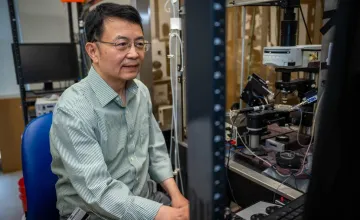
A study by researchers at Duke University School of Medicine found that supplying healthy mitochrondra to damaged nerve cells can signifantly help millions managing pain from diabetic neuropathy and chemotherapy.

Researchers from the USF College of Marine Science are studying soft tissue samples from barnacles, oysters, and fish to better understand the state of contamination and its origins in Tampa Bay, Florida's largest estuary.
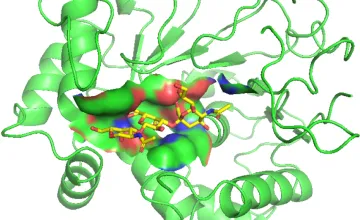
The advancement lays the groundwork for creating a library of sugar-recognizing proteins that may help detect and treat diverse illnesses.

The olfactory senses of ants help them hunt, detect outsiders, and know their role within a colony. In a new study, researchers have discovered how ants can switch one gene on out of hundreds to ensure their survival.
Explore More: University Research
You can filter stories by the university.
UCSC researchers find that long-read sequencing has the potential to improve the rate of diagnosis of genetic disease while reducing the time to diagnosis from years to days — in a single test and at a much lower cost.
University at Buffalo study shows that a strain of bacteria taken from contaminated soil breaks apart the strong carbon-fluorine bonds of PFAS, as well as some of the shorter-chain PFAS left behind.
Chemicals found in cannabis show promise for treating chronic pain, a new Yale study shows, and may present an alternative to opioids.
University of Florida researchers recently concluded the largest study on audio deepfakes to date, challenging 1,200 humans to identify real audio messages from digital fakes.
A Rutgers-led study confirms positive effects of exercise on insulin signaling proteins from the brain