
AAU universities conduct a majority of the federally funded university research that contributes to our economic competitiveness, health and well-being, and national security. AAU universities are growing our economy through invention and innovation while preparing the next generation of scientists and engineers for global leadership. By moving research into the marketplace AAU universities are helping to create jobs, and provide society with new medicines and technologies.
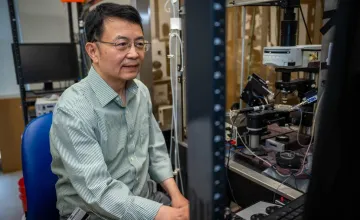
A study by researchers at Duke University School of Medicine found that supplying healthy mitochrondra to damaged nerve cells can signifantly help millions managing pain from diabetic neuropathy and chemotherapy.

Researchers from the USF College of Marine Science are studying soft tissue samples from barnacles, oysters, and fish to better understand the state of contamination and its origins in Tampa Bay, Florida's largest estuary.
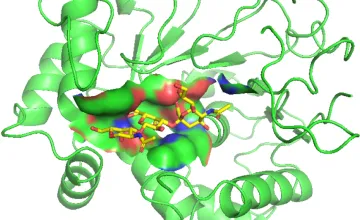
The advancement lays the groundwork for creating a library of sugar-recognizing proteins that may help detect and treat diverse illnesses.

The olfactory senses of ants help them hunt, detect outsiders, and know their role within a colony. In a new study, researchers have discovered how ants can switch one gene on out of hundreds to ensure their survival.
Explore More: University Research
You can filter stories by the university.
The Human Engineering Research Laboratories (HERL) at the University of Pittsburgh helps college students with conditions such as paraplegia, epilepsy and autism transition to careers in machining and engineering, as well as advance their personal and professional development.
One of the two brain-training methods most scientists use in research is significantly better at improving memory and attention, according to Johns Hopkins University researchers.
Some 40 years since CT scans first revealed abnormalities in the brains of schizophrenia patients, international scientists say the disorder is a systemic disruption to the brain’s entire communication system.
University of Southern California | Researching the Brain, Seeking Cures | Depression & Schizophrenia | University Research
Neuroscientist Matthew Walker is dead serious about the dangers of sleep deprivation — now more than ever, perhaps, as bedrooms everywhere glow from the screens of round-the-clock technology consumption.
Pregnant women who had low socioeconomic status during childhood and who have poor family social support appear to prematurely age on a cellular level, potentially raising the risk for complications, a new study has found.