
AAU universities conduct a majority of the federally funded university research that contributes to our economic competitiveness, health and well-being, and national security. AAU universities are growing our economy through invention and innovation while preparing the next generation of scientists and engineers for global leadership. By moving research into the marketplace AAU universities are helping to create jobs, and provide society with new medicines and technologies.
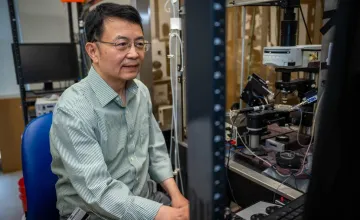
A study by researchers at Duke University School of Medicine found that supplying healthy mitochrondra to damaged nerve cells can signifantly help millions managing pain from diabetic neuropathy and chemotherapy.

Researchers from the USF College of Marine Science are studying soft tissue samples from barnacles, oysters, and fish to better understand the state of contamination and its origins in Tampa Bay, Florida's largest estuary.
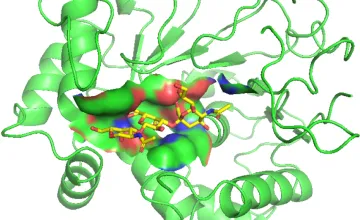
The advancement lays the groundwork for creating a library of sugar-recognizing proteins that may help detect and treat diverse illnesses.
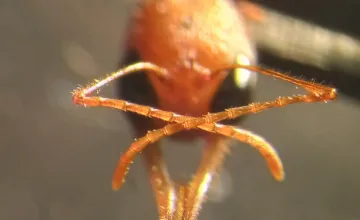
The olfactory senses of ants help them hunt, detect outsiders, and know their role within a colony. In a new study, researchers have discovered how ants can switch one gene on out of hundreds to ensure their survival.
Explore More: University Research
You can filter stories by the university.
A $1 million grant from the National Science Foundation will fund a three-year partnership that seeks to enhance Hasbro’s Joy for All Companion Pets into smart robots that can help older adults with everyday tasks.
Maintaining positive, warm and trusting friendships might be the key to a slower decline in memory and cognitive functioning, according to a new Northwestern Medicine study.
Researchers examining ancestors of the modern, North American cultivated potato have revealed a set of common genes and important genetic pathways that have helped spuds adapt over thousands of years.
A new software system being developed by cybersecurity researchers at the Georgia Institute of Technology will largely automate the process of assessing the extent of network or computer system attacks.
Georgia Institute of Technology | Protecting Systems | Safeguarding the Connected World | University Research
Mi Zhang, a Michigan State University assistant professor of electrical and computer engineering, is developing hearing aid technology that reduces the problem of background noise.