
AAU universities conduct a majority of the federally funded university research that contributes to our economic competitiveness, health and well-being, and national security. AAU universities are growing our economy through invention and innovation while preparing the next generation of scientists and engineers for global leadership. By moving research into the marketplace AAU universities are helping to create jobs, and provide society with new medicines and technologies.
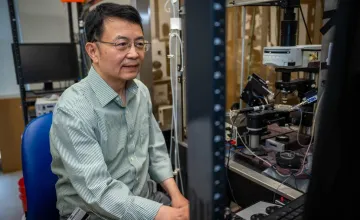
A study by researchers at Duke University School of Medicine found that supplying healthy mitochrondra to damaged nerve cells can signifantly help millions managing pain from diabetic neuropathy and chemotherapy.

Researchers from the USF College of Marine Science are studying soft tissue samples from barnacles, oysters, and fish to better understand the state of contamination and its origins in Tampa Bay, Florida's largest estuary.
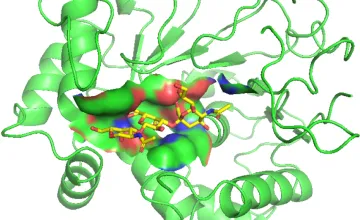
The advancement lays the groundwork for creating a library of sugar-recognizing proteins that may help detect and treat diverse illnesses.
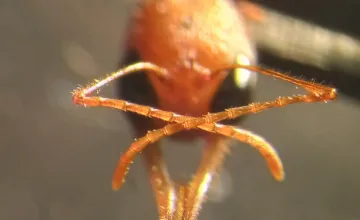
The olfactory senses of ants help them hunt, detect outsiders, and know their role within a colony. In a new study, researchers have discovered how ants can switch one gene on out of hundreds to ensure their survival.
Explore More: University Research
You can filter stories by the university.
The natural decline in lung function over a 10-year period was slower among former smokers with a diet high in tomatoes and fruits, especially apples, according to a study from the Johns Hopkins Bloomberg School of Public Health.
A study from the Brown School at Washington University in St. Louis finds feeding eggs to infants could provide them with key nutrients for better brains.
Direct electrical stimulation of the human amygdala, a region of the brain known to regulate memory and emotional behaviors, can enhance human memory neuroscientists say.
The drop in violent crime in the United States since the 1990s coincides with an explosion of community groups, a New York University researcher says.
The Penn State Evidence-based Prevention and Intervention Support Center (EPISCenter) is helping a state agency — which works to prevent violence, delinquency and substance abuse in youth — implement a model that shows which prevention programs provide the most cost-effective services to communities.
The Pennsylvania State University | AAU Universities Battle the Opioid Crisis | Serving Local Communities