
AAU universities conduct a majority of the federally funded university research that contributes to our economic competitiveness, health and well-being, and national security. AAU universities are growing our economy through invention and innovation while preparing the next generation of scientists and engineers for global leadership. By moving research into the marketplace AAU universities are helping to create jobs, and provide society with new medicines and technologies.
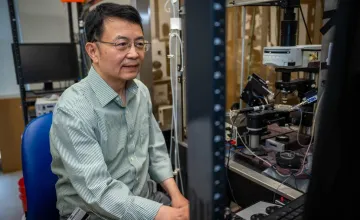
A study by researchers at Duke University School of Medicine found that supplying healthy mitochrondra to damaged nerve cells can signifantly help millions managing pain from diabetic neuropathy and chemotherapy.

Researchers from the USF College of Marine Science are studying soft tissue samples from barnacles, oysters, and fish to better understand the state of contamination and its origins in Tampa Bay, Florida's largest estuary.
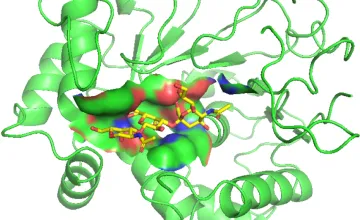
The advancement lays the groundwork for creating a library of sugar-recognizing proteins that may help detect and treat diverse illnesses.
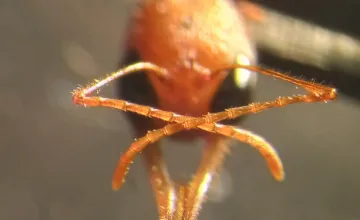
The olfactory senses of ants help them hunt, detect outsiders, and know their role within a colony. In a new study, researchers have discovered how ants can switch one gene on out of hundreds to ensure their survival.
Explore More: University Research
You can filter stories by the university.
A new paper led by UCSC presents a comprehensive framework for integrating nature into policy-making to help our communities combat climate change and nature loss.
A third of cancer patients face chronic pain – a debilitating condition that can dramatically reduce a person’s quality of life, even if their cancer goes into remission.
At the heart of Buffalo’s rich history lies the Michigan Street Baptist Church, the city’s oldest continuously operating African American place of worship.. University at Buffalo archaeologists are uncovering the church’s past, one artifact at a time.
Johns Hopkins engineers, in collaboration with researchers from Harvard and Princeton, discovered that fish in schools reduce their energy expenditure by up to 79% compared to solitary swimmers.
MIT researchers have developed a groundbreaking method, known as IF-COMP, that improves how AI models gauge their confidence in decisions, making predictions more reliable and trustworthy.