
AAU universities conduct a majority of the federally funded university research that contributes to our economic competitiveness, health and well-being, and national security. AAU universities are growing our economy through invention and innovation while preparing the next generation of scientists and engineers for global leadership. By moving research into the marketplace AAU universities are helping to create jobs, and provide society with new medicines and technologies.
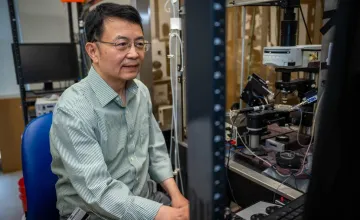
A study by researchers at Duke University School of Medicine found that supplying healthy mitochrondra to damaged nerve cells can signifantly help millions managing pain from diabetic neuropathy and chemotherapy.

Researchers from the USF College of Marine Science are studying soft tissue samples from barnacles, oysters, and fish to better understand the state of contamination and its origins in Tampa Bay, Florida's largest estuary.
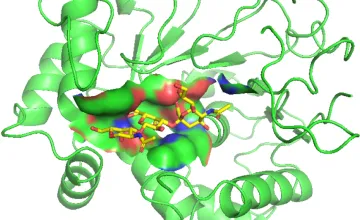
The advancement lays the groundwork for creating a library of sugar-recognizing proteins that may help detect and treat diverse illnesses.

The olfactory senses of ants help them hunt, detect outsiders, and know their role within a colony. In a new study, researchers have discovered how ants can switch one gene on out of hundreds to ensure their survival.
Explore More: University Research
You can filter stories by the university.
Having ancestors who were frequently exposed to stressors can improve one's own immune response to stressors, according to Penn State researchers who studied fence lizards and their stress response.
A detailed study of four mouse models of autism challenges the most common assumption about what goes wrong in brain circuits to cause disease symptoms.
Boston Medical Center pediatrician Scott Hadland sees firsthand the effect prescription opioids are having on local youths. He says many adolescents he treats for opioid issues were introduced through prescription drugs.
A Boston University researcher is developing a method to grow cartilage without the typical instability or imperfections associated with engineered tissue.
A new study from Harvard Medical School researchers at Massachusetts General Hospital has found that the hypertension drug losartan, which targets the angiotensin signaling pathway, may improve the effectiveness of chemotherapy agents used to treat ovarian cancer.