
AAU universities conduct a majority of the federally funded university research that contributes to our economic competitiveness, health and well-being, and national security. AAU universities are growing our economy through invention and innovation while preparing the next generation of scientists and engineers for global leadership. By moving research into the marketplace AAU universities are helping to create jobs, and provide society with new medicines and technologies.
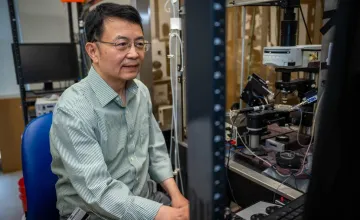
A study by researchers at Duke University School of Medicine found that supplying healthy mitochrondra to damaged nerve cells can signifantly help millions managing pain from diabetic neuropathy and chemotherapy.
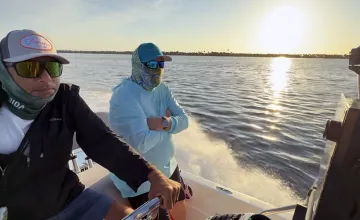
Researchers from the USF College of Marine Science are studying soft tissue samples from barnacles, oysters, and fish to better understand the state of contamination and its origins in Tampa Bay, Florida's largest estuary.
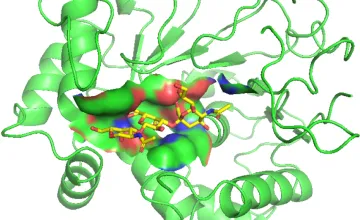
The advancement lays the groundwork for creating a library of sugar-recognizing proteins that may help detect and treat diverse illnesses.
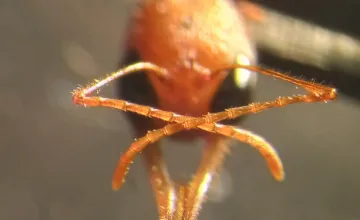
The olfactory senses of ants help them hunt, detect outsiders, and know their role within a colony. In a new study, researchers have discovered how ants can switch one gene on out of hundreds to ensure their survival.
Explore More: University Research
You can filter stories by the university.
Running wearables designed to save users from stress fractures are measuring the wrong thing, according to research by a Vanderbilt University engineering professor.
A new study shows that antibiotics are not always necessary to cure sepsis in mice. The breakthrough study suggests infections in humans might be cured the same way.
One in 10 children and about one in six adults with private insurance received antibiotics they didn’t need at least once in 2016, a new Michigan Medicine study suggests.
Only about 16 percent of U.S. adolescents have been fully vaccinated against human papillomavirus (HPV) by the time they turn 13, despite national recommendations that call for vaccination at 11 to 12 years of age.
Virginie Papadopoulou specializes in using ultrasound technology to study the body in extreme environments, ranging from the physiology of scuba divers to the blood flow in cancerous tumors. Her weapon of choice? Tiny bubbles.