
AAU universities conduct a majority of the federally funded university research that contributes to our economic competitiveness, health and well-being, and national security. AAU universities are growing our economy through invention and innovation while preparing the next generation of scientists and engineers for global leadership. By moving research into the marketplace AAU universities are helping to create jobs, and provide society with new medicines and technologies.
A study by researchers at Duke University School of Medicine found that supplying healthy mitochrondra to damaged nerve cells can signifantly help millions managing pain from diabetic neuropathy and chemotherapy.

Researchers from the USF College of Marine Science are studying soft tissue samples from barnacles, oysters, and fish to better understand the state of contamination and its origins in Tampa Bay, Florida's largest estuary.
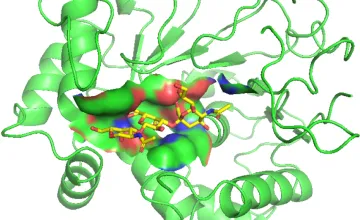
The advancement lays the groundwork for creating a library of sugar-recognizing proteins that may help detect and treat diverse illnesses.
The olfactory senses of ants help them hunt, detect outsiders, and know their role within a colony. In a new study, researchers have discovered how ants can switch one gene on out of hundreds to ensure their survival.
Explore More: University Research
You can filter stories by the university.
USC Rocket Propulsion Laboratory's Traveler IV is reportedly the first entirely student-designed and built rocket to pass the Kármán line into outer space
Reflecting on findings, CU Boulder researcher muses, ‘At 12 years old, is the venti Starbucks coffee really a good idea?’
Researchers at Rutgers found more than 60 percent of e-cigarette users want to quit, and highlight the need for more emphasis on treatment for e-cigarette cessation
A University of Southern California team finds six out of 11 lymphoma patients who received a commonly used dose of the improved CAR T-cell therapy went into complete remission.
Michigan State University researchers are learning how to manipulate the nanometer-sized protein tile shell structures of bacteria containing their "factories" for isolating toxic materials and making nutrients