
AAU universities conduct a majority of the federally funded university research that contributes to our economic competitiveness, health and well-being, and national security. AAU universities are growing our economy through invention and innovation while preparing the next generation of scientists and engineers for global leadership. By moving research into the marketplace AAU universities are helping to create jobs, and provide society with new medicines and technologies.
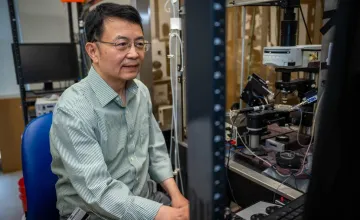
A study by researchers at Duke University School of Medicine found that supplying healthy mitochrondra to damaged nerve cells can signifantly help millions managing pain from diabetic neuropathy and chemotherapy.

Researchers from the USF College of Marine Science are studying soft tissue samples from barnacles, oysters, and fish to better understand the state of contamination and its origins in Tampa Bay, Florida's largest estuary.
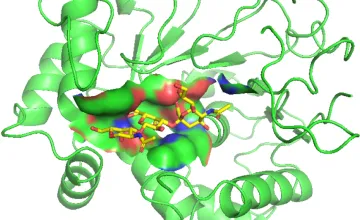
The advancement lays the groundwork for creating a library of sugar-recognizing proteins that may help detect and treat diverse illnesses.
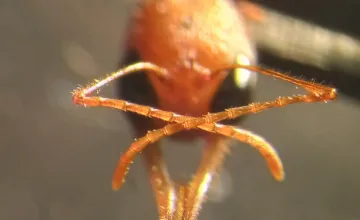
The olfactory senses of ants help them hunt, detect outsiders, and know their role within a colony. In a new study, researchers have discovered how ants can switch one gene on out of hundreds to ensure their survival.
Explore More: University Research
You can filter stories by the university.
Men who delay starting a family have a ticking “biological clock” — just like women — that may affect the health of their partners and children, according to Rutgers researchers.
Michigan State University researchers are learning how to manipulate the nanometer-sized protein tile shell structures of bacteria containing their "factories" for isolating toxic materials and making nutrients
Stanford scientists devised a blood-based test that accurately identified people with chronic fatigue syndrome, a new study reports.
Researchers from Stony Brook University have discovered a new species that links the small tyrannosauroids from the Early Cretaceous of North America and China with much larger ones that survived until the end of the Cretaceous—the final days of the non-avian dinosaurs.
University of Missouri researchers have unveiled a new three-dimensional model of the skeletal muscles responsible for bird flight provides the most comprehensive and detailed picture of anatomy to date.