
AAU universities conduct a majority of the federally funded university research that contributes to our economic competitiveness, health and well-being, and national security. AAU universities are growing our economy through invention and innovation while preparing the next generation of scientists and engineers for global leadership. By moving research into the marketplace AAU universities are helping to create jobs, and provide society with new medicines and technologies.
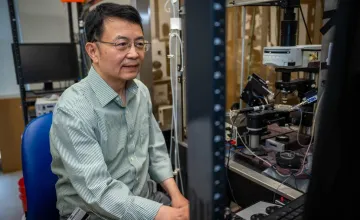
A study by researchers at Duke University School of Medicine found that supplying healthy mitochrondra to damaged nerve cells can signifantly help millions managing pain from diabetic neuropathy and chemotherapy.

Researchers from the USF College of Marine Science are studying soft tissue samples from barnacles, oysters, and fish to better understand the state of contamination and its origins in Tampa Bay, Florida's largest estuary.
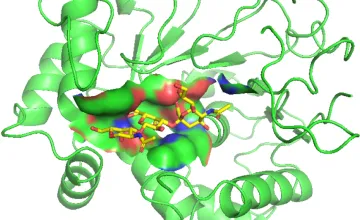
The advancement lays the groundwork for creating a library of sugar-recognizing proteins that may help detect and treat diverse illnesses.
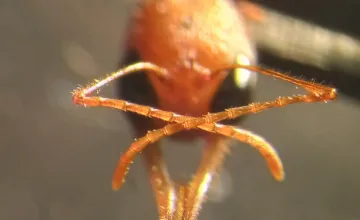
The olfactory senses of ants help them hunt, detect outsiders, and know their role within a colony. In a new study, researchers have discovered how ants can switch one gene on out of hundreds to ensure their survival.
Explore More: University Research
You can filter stories by the university.
Stony Brook neurosurgery scientists identify the thalamus as a therapeutic target after traumatic brain injury
Stony Brook University - The State University of New York | Researching the Brain, Seeking Cures | University Research
The notion of self-driving vehicles is currently met with equal parts wonder and alarm. But a University of Kansas study reveals how the pros may outweigh the cons as a business strategy.
Relaxing in a shady yard with trees gently swaying overhead might not just be good for your spirit—it could also reduce your dementia risk, per BU and Harvard experts.
Inhaled nanoparticles – human-made specks so minuscule they can’t be seen in conventional microscopes, found in thousands of common products – can cross a natural, protective barrier that normally protects fetuses, according to Rutgers University scientists studying factors that produce low-birth-weight babies.
UO researchers have grown rodent retinal neurons on a fractal-patterned electrode, one that mimics the repeating branching pattern in which neurons naturally grow. It’s a step closer to making a bio-inspired bionic eye, a longstanding goal for UO physicist Richard Taylor.