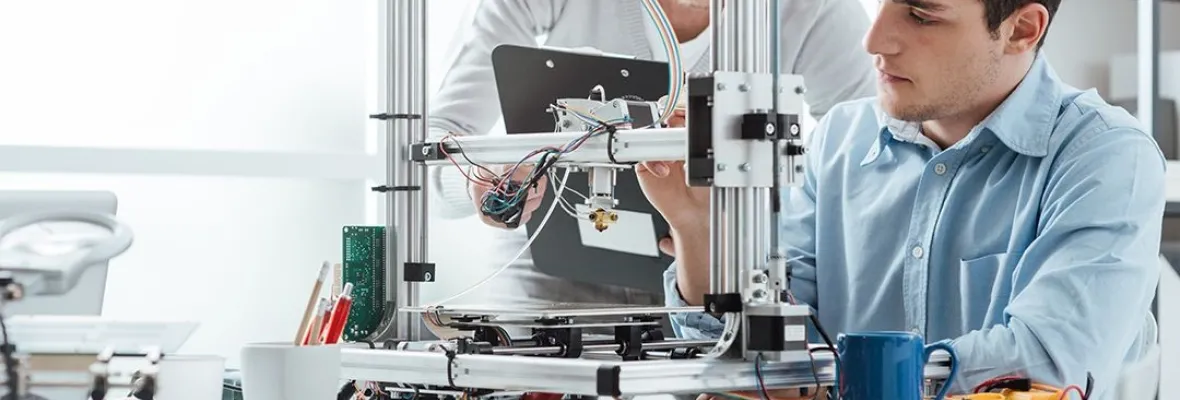
AAU universities conduct a majority of the federally funded university research that contributes to our economic competitiveness, health and well-being, and national security. AAU universities are growing our economy through invention and innovation while preparing the next generation of scientists and engineers for global leadership. By moving research into the marketplace AAU universities are helping to create jobs, and provide society with new medicines and technologies.
A study by researchers at Duke University School of Medicine found that supplying healthy mitochrondra to damaged nerve cells can signifantly help millions managing pain from diabetic neuropathy and chemotherapy.

Researchers from the USF College of Marine Science are studying soft tissue samples from barnacles, oysters, and fish to better understand the state of contamination and its origins in Tampa Bay, Florida's largest estuary.
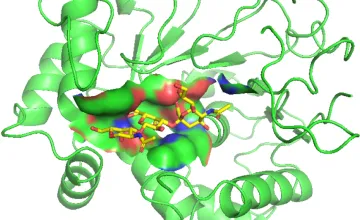
The advancement lays the groundwork for creating a library of sugar-recognizing proteins that may help detect and treat diverse illnesses.
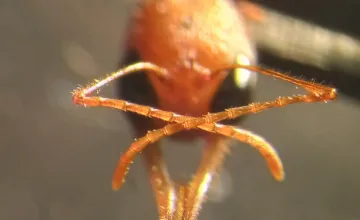
The olfactory senses of ants help them hunt, detect outsiders, and know their role within a colony. In a new study, researchers have discovered how ants can switch one gene on out of hundreds to ensure their survival.
Explore More: University Research
You can filter stories by the university.
MIT researchers have developed a system that can produce images of objects shrouded by fog so thick that human vision can’t penetrate it. It can also gauge the objects’ distance.
CU Boulder researchers have created a map of the Northern Hemisphere showing how location and humidity can affect precipitation, illustrating wide variability in how and why different areas receive snow or rain.
A four-year study suggests that AMP cattle grazing can potentially offset greenhouse gas emissions and be environmentally friendly.
Researchers have developed new wound dressings that dramatically accelerate healing and improve tissue regeneration.
A technique for growing sticky films of bacteria into elaborate microscopic images could reveal how potentially dangerous biofilms grow and transmit antibiotic resistance, and could lead to novel biomaterials or synthetic microbial communities, researchers say.