
AAU universities conduct a majority of the federally funded university research that contributes to our economic competitiveness, health and well-being, and national security. AAU universities are growing our economy through invention and innovation while preparing the next generation of scientists and engineers for global leadership. By moving research into the marketplace AAU universities are helping to create jobs, and provide society with new medicines and technologies.
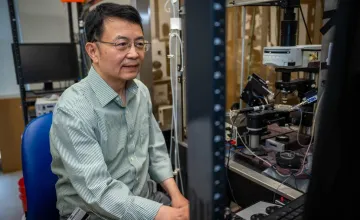
A study by researchers at Duke University School of Medicine found that supplying healthy mitochrondra to damaged nerve cells can signifantly help millions managing pain from diabetic neuropathy and chemotherapy.

Researchers from the USF College of Marine Science are studying soft tissue samples from barnacles, oysters, and fish to better understand the state of contamination and its origins in Tampa Bay, Florida's largest estuary.
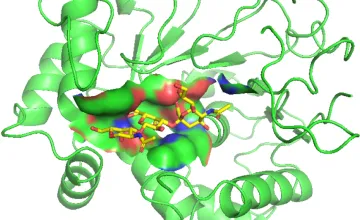
The advancement lays the groundwork for creating a library of sugar-recognizing proteins that may help detect and treat diverse illnesses.
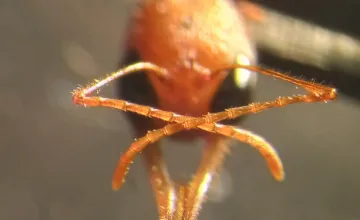
The olfactory senses of ants help them hunt, detect outsiders, and know their role within a colony. In a new study, researchers have discovered how ants can switch one gene on out of hundreds to ensure their survival.
Explore More: University Research
You can filter stories by the university.
University of Florida researchers are currently investigating whether a synthetic version of the hormone oxytocin can be used in conjunction with prescription drugs to help curb opioid addictions, especially in susceptible older adults.
State and federal laws across the United States prohibiting firearm possession in cases of domestic violence often lack enforcement mechanisms, which may lead to continued possession of firearms despite court orders, according to a University of Michigan study.
Severe weather costs the global economy billions of dollars a year, highlighting the costs of climate change and the value of mitigating extreme weather, according to a new analysis of weather and economic data.
Women with opioid use disorder and who are also involved with the criminal legal system face unique challenges and stigmas that may keep them from seeking substance use treatment and harm reduction tools that could prevent overdose deaths, according to new research led by a team from Penn State.
New research from the University of Chicago suggests that alternative splicing may have an even greater influence on biology than just by creating new protein isoforms