
AAU universities conduct a majority of the federally funded university research that contributes to our economic competitiveness, health and well-being, and national security. AAU universities are growing our economy through invention and innovation while preparing the next generation of scientists and engineers for global leadership. By moving research into the marketplace AAU universities are helping to create jobs, and provide society with new medicines and technologies.
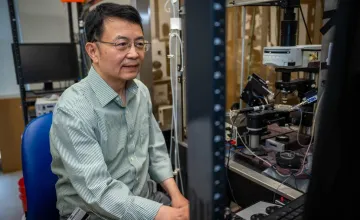
A study by researchers at Duke University School of Medicine found that supplying healthy mitochrondra to damaged nerve cells can signifantly help millions managing pain from diabetic neuropathy and chemotherapy.

Researchers from the USF College of Marine Science are studying soft tissue samples from barnacles, oysters, and fish to better understand the state of contamination and its origins in Tampa Bay, Florida's largest estuary.
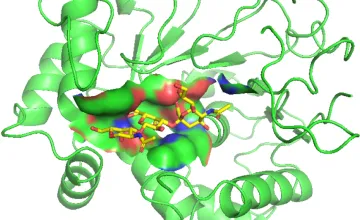
The advancement lays the groundwork for creating a library of sugar-recognizing proteins that may help detect and treat diverse illnesses.
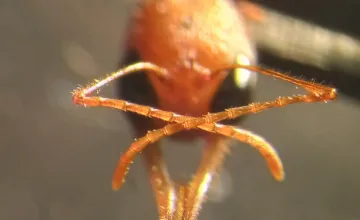
The olfactory senses of ants help them hunt, detect outsiders, and know their role within a colony. In a new study, researchers have discovered how ants can switch one gene on out of hundreds to ensure their survival.
Explore More: University Research
You can filter stories by the university.
Harvard Medical School geneticists have created a new model-in-a-dish of sporadic Alzheimer’s disease that removes a major obstacle for scientists seeking to pinpoint the causes of sporadic Alzheimer’s and find drugs that might prevent or reverse its devastating neurodegenerative effects.
Surgery to remove the thymus gland in patients with myasthenia gravis (MG) provides significant clinical benefits for as long as five years after the procedure, according to a new study.
Presenting vocabulary words to students with gestures, even motions that don’t convey the meanings of the words, can improve students’ comprehension of new words in a foreign language, according to a new study.
Guiding young patients to the mindset that uncomfortable side effects from immunotherapy are a sign that treatment is working can help reduce anxiety, according to new research by Stanford psychologists.
Fish and birds are able to move in groups, without separating or colliding, due to a newly discovered dynamic: the followers interact with the wake left behind by the leaders.