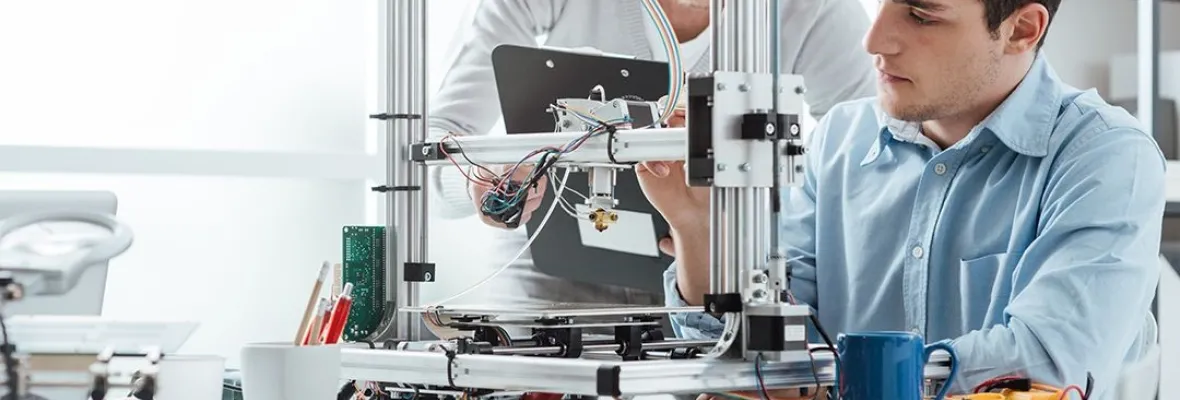
AAU universities conduct a majority of the federally funded university research that contributes to our economic competitiveness, health and well-being, and national security. AAU universities are growing our economy through invention and innovation while preparing the next generation of scientists and engineers for global leadership. By moving research into the marketplace AAU universities are helping to create jobs, and provide society with new medicines and technologies.
A study by researchers at Duke University School of Medicine found that supplying healthy mitochrondra to damaged nerve cells can signifantly help millions managing pain from diabetic neuropathy and chemotherapy.

Researchers from the USF College of Marine Science are studying soft tissue samples from barnacles, oysters, and fish to better understand the state of contamination and its origins in Tampa Bay, Florida's largest estuary.
The advancement lays the groundwork for creating a library of sugar-recognizing proteins that may help detect and treat diverse illnesses.
The olfactory senses of ants help them hunt, detect outsiders, and know their role within a colony. In a new study, researchers have discovered how ants can switch one gene on out of hundreds to ensure their survival.
Explore More: University Research
You can filter stories by the university.
Scientists at Stanford have built a detailed timeline of the gene activity leading up to meiosis in corn, a finding with potential implications for plant breeding as well as sexually reproductive organisms more broadly.
Stanford researchers have applied chatbot technology to self-paced learning and significantly improved student recall and retention over flashcard-based learning.
A researcher at the University of Colorado, Boulder grapples with the question - what happens to us (on the internet) after we die?
Researchers from Michigan State University have provided a potential sustainable power source for wearable tech via crumpled carbon nanotube forests, or CNT forests.
An international team of researchers used an X-ray laser at the Department of Energy’s SLAC National Accelerator Laboratory to create the first detailed maps of two melatonin receptors that tell our bodies when to go to sleep or wake up, and guide other biological processes
Stanford University | The University of North Carolina at Chapel Hill | University at Buffalo - The State University of New York | University of Southern California | University Research