
AAU universities conduct a majority of the federally funded university research that contributes to our economic competitiveness, health and well-being, and national security. AAU universities are growing our economy through invention and innovation while preparing the next generation of scientists and engineers for global leadership. By moving research into the marketplace AAU universities are helping to create jobs, and provide society with new medicines and technologies.
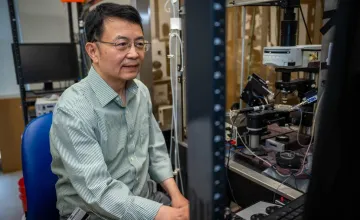
A study by researchers at Duke University School of Medicine found that supplying healthy mitochrondra to damaged nerve cells can signifantly help millions managing pain from diabetic neuropathy and chemotherapy.

Researchers from the USF College of Marine Science are studying soft tissue samples from barnacles, oysters, and fish to better understand the state of contamination and its origins in Tampa Bay, Florida's largest estuary.
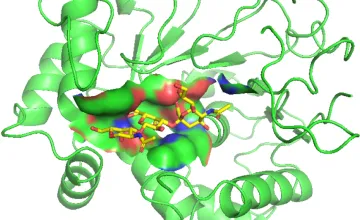
The advancement lays the groundwork for creating a library of sugar-recognizing proteins that may help detect and treat diverse illnesses.

The olfactory senses of ants help them hunt, detect outsiders, and know their role within a colony. In a new study, researchers have discovered how ants can switch one gene on out of hundreds to ensure their survival.
Explore More: University Research
You can filter stories by the university.
A UC Santa Barbara-led study discovered that Aedes aegypti mosquitoes use infrared radiation, combined with CO2 and human odor, to locate hosts more effectively, doubling their host-seeking behavior.
A Dartmouth study found that early exposure to day care influences long-term social behavior by helping individuals overcome stereotypical beliefs during interactions.
A research team has developed a method to recycle valuable metals from electronic waste more efficiently while significantly reducing the environmental impact typically associated with metal recycling.
A University of Michigan study found that 15% of older adults in U.S. assisted living facilities transferred to nursing homes over eight years, with better physical performance and education reducing this risk.
Two new kinds of on-skin electronics allow users to build and customize them directly on the body – with potential applications in biometric sensing, medical monitoring, interactive prosthetic makeup and more.