
AAU universities conduct a majority of the federally funded university research that contributes to our economic competitiveness, health and well-being, and national security. AAU universities are growing our economy through invention and innovation while preparing the next generation of scientists and engineers for global leadership. By moving research into the marketplace AAU universities are helping to create jobs, and provide society with new medicines and technologies.
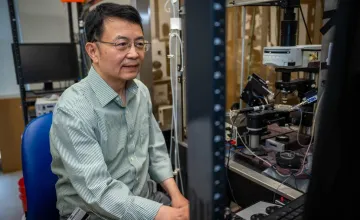
A study by researchers at Duke University School of Medicine found that supplying healthy mitochrondra to damaged nerve cells can signifantly help millions managing pain from diabetic neuropathy and chemotherapy.
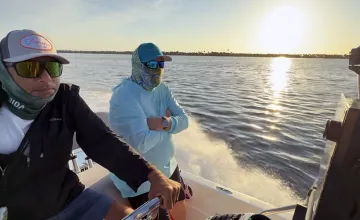
Researchers from the USF College of Marine Science are studying soft tissue samples from barnacles, oysters, and fish to better understand the state of contamination and its origins in Tampa Bay, Florida's largest estuary.
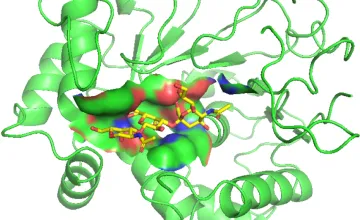
The advancement lays the groundwork for creating a library of sugar-recognizing proteins that may help detect and treat diverse illnesses.
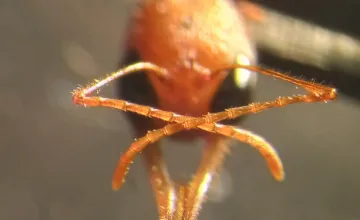
The olfactory senses of ants help them hunt, detect outsiders, and know their role within a colony. In a new study, researchers have discovered how ants can switch one gene on out of hundreds to ensure their survival.
Explore More: University Research
You can filter stories by the university.
A previously unknown component of brain anatomy acts as both a protective barrier and platform from which immune cells monitor the brain for infection and inflammation, according to University of Rochester experts.
Adults experiencing long COVID may be interested in a new University at Buffalo clinical trial that is testing low-dose lithium as a potential treatment.
Confronting COVID-19 | University at Buffalo - The State University of New York | University Research
Research on fungi underway at the University of Kansas and USC has helped transform tough-to-recycle plastic waste from the Pacific Ocean into key components for making pharmaceuticals.
Over the next nine months, Boston University engineering professor Joshua Semeter will study footage of unidentified flying objects to help figure out their origin.
University of Missouri researcher finds APRNs (advance practice registered nurses) are often overlooked, underutilized in nursing homes.