
AAU universities conduct a majority of the federally funded university research that contributes to our economic competitiveness, health and well-being, and national security. AAU universities are growing our economy through invention and innovation while preparing the next generation of scientists and engineers for global leadership. By moving research into the marketplace AAU universities are helping to create jobs, and provide society with new medicines and technologies.
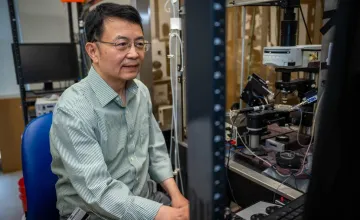
A study by researchers at Duke University School of Medicine found that supplying healthy mitochrondra to damaged nerve cells can signifantly help millions managing pain from diabetic neuropathy and chemotherapy.

Researchers from the USF College of Marine Science are studying soft tissue samples from barnacles, oysters, and fish to better understand the state of contamination and its origins in Tampa Bay, Florida's largest estuary.
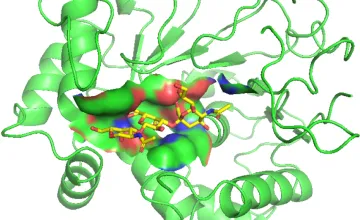
The advancement lays the groundwork for creating a library of sugar-recognizing proteins that may help detect and treat diverse illnesses.
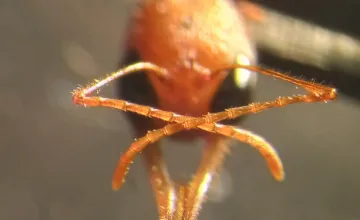
The olfactory senses of ants help them hunt, detect outsiders, and know their role within a colony. In a new study, researchers have discovered how ants can switch one gene on out of hundreds to ensure their survival.
Explore More: University Research
You can filter stories by the university.
BUFFALO, N.Y. – A new tool under development by University at Buffalo researchers could one day help clinicians better predict resistance to immunoglobulin therapy among children with Kawasaki disease in the United States.
Researchers at UC Irvine found that microbes living in Chile’s Atacama Desert transform magnetite to a different iron oxide in the process of acquiring the iron that’s necessary for their survival in a harsh environment.
The invention could benefit pharmaceutical, automotive, food processing, carbon capture and other industries
A new University at Buffalo study conducted at John R. Oishei Children’s Hospital is one of the first to reveal that there were fewer cases of multi-system inflammatory syndrome in children (MIS-C) during the omicron wave of the pandemic than the delta wave
Confronting COVID-19 | University at Buffalo - The State University of New York | University Research
Research from a Carnegie Mellon expert showed the world could lose as much as 41% of its total glacier mass this century — or as little as 26% — depending on today's climate change mitigation efforts.