
AAU universities conduct a majority of the federally funded university research that contributes to our economic competitiveness, health and well-being, and national security. AAU universities are growing our economy through invention and innovation while preparing the next generation of scientists and engineers for global leadership. By moving research into the marketplace AAU universities are helping to create jobs, and provide society with new medicines and technologies.
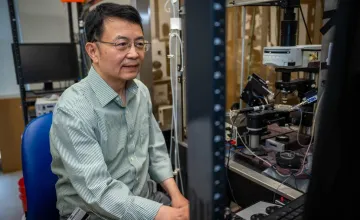
A study by researchers at Duke University School of Medicine found that supplying healthy mitochrondra to damaged nerve cells can signifantly help millions managing pain from diabetic neuropathy and chemotherapy.

Researchers from the USF College of Marine Science are studying soft tissue samples from barnacles, oysters, and fish to better understand the state of contamination and its origins in Tampa Bay, Florida's largest estuary.
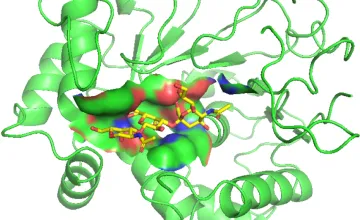
The advancement lays the groundwork for creating a library of sugar-recognizing proteins that may help detect and treat diverse illnesses.
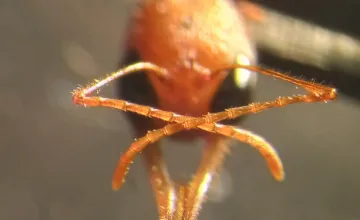
The olfactory senses of ants help them hunt, detect outsiders, and know their role within a colony. In a new study, researchers have discovered how ants can switch one gene on out of hundreds to ensure their survival.
Explore More: University Research
You can filter stories by the university.
Scientists at Rutgers and Brookhaven National Laboratory have acquired detailed knowledge about the internal structures and mode of regulation for a specialized protein in order to help plants combat a range of diseases.
Jonathan Lovell, PhD, professor of biomedical engineering at the University at Buffalo, is working on a smarter and more effective way to deliver chemotherapy as an intervention in metastatic pancreatic cancer.
University of Kansas researchers unveiled Sentinel GreenReport Plus — a free web app using high-res satellite data to monitor vegetation, drought, and crop health across the U.S., helping farmers, researchers, and policymakers make data-informed decisions.
Charles Kyriakos Vorkas, MD, an infectious diseases physician-scientist at the Renaissance School of Medicine (RSOM) at Stony Brook University, and colleagues identified a novel population of immune cells that could serve as an alternative target for TB vaccines and immune-directed therapy.
Pregnancy and motherhood significantly reshape the brain, yet these changes remain understudied. Learn how a UC Santa Barbara researcher is developing an AI-driven model to map and predict how the maternal brain evolves, aiming to improve understanding and care for maternal mental health.