
AAU universities conduct a majority of the federally funded university research that contributes to our economic competitiveness, health and well-being, and national security. AAU universities are growing our economy through invention and innovation while preparing the next generation of scientists and engineers for global leadership. By moving research into the marketplace AAU universities are helping to create jobs, and provide society with new medicines and technologies.
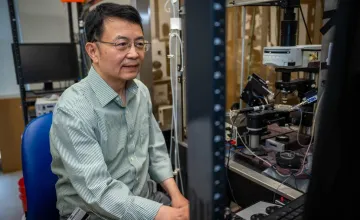
A study by researchers at Duke University School of Medicine found that supplying healthy mitochrondra to damaged nerve cells can signifantly help millions managing pain from diabetic neuropathy and chemotherapy.

Researchers from the USF College of Marine Science are studying soft tissue samples from barnacles, oysters, and fish to better understand the state of contamination and its origins in Tampa Bay, Florida's largest estuary.
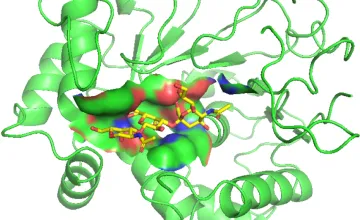
The advancement lays the groundwork for creating a library of sugar-recognizing proteins that may help detect and treat diverse illnesses.
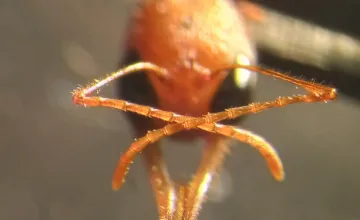
The olfactory senses of ants help them hunt, detect outsiders, and know their role within a colony. In a new study, researchers have discovered how ants can switch one gene on out of hundreds to ensure their survival.
Explore More: University Research
You can filter stories by the university.
Purdue University researchers have created a patent-pending method to dynamically manipulate a flame. The innovation could benefit companies that manufacture gas turbines for aircraft engines and electric power generation, appliances like home furnaces and water heaters, and many types of industrial burners.
Novel inexpensive, shelf-stable, easy-to-use tests bring lab-level precision to the home and field
New research focused on cybercrime victimization among internet users with limited English proficiency (LEP).
A team of Georgia Tech researchers has introduced a new therapeutic system to offset the poor clinical outcomes often associated with common rotator cuff surgery.
Through her research on early modern Europe, Alisha Rankin is shedding light on little known medical practices, often led by women