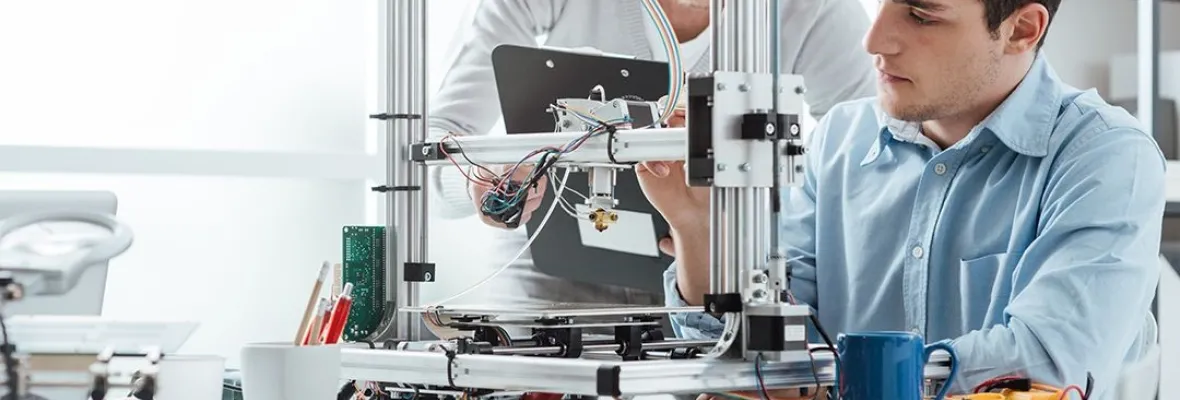
AAU universities conduct a majority of the federally funded university research that contributes to our economic competitiveness, health and well-being, and national security. AAU universities are growing our economy through invention and innovation while preparing the next generation of scientists and engineers for global leadership. By moving research into the marketplace AAU universities are helping to create jobs, and provide society with new medicines and technologies.
A study by researchers at Duke University School of Medicine found that supplying healthy mitochrondra to damaged nerve cells can signifantly help millions managing pain from diabetic neuropathy and chemotherapy.

Researchers from the USF College of Marine Science are studying soft tissue samples from barnacles, oysters, and fish to better understand the state of contamination and its origins in Tampa Bay, Florida's largest estuary.
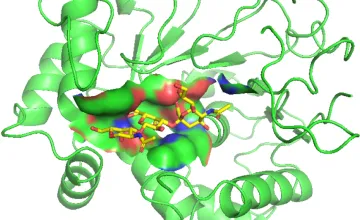
The advancement lays the groundwork for creating a library of sugar-recognizing proteins that may help detect and treat diverse illnesses.
The olfactory senses of ants help them hunt, detect outsiders, and know their role within a colony. In a new study, researchers have discovered how ants can switch one gene on out of hundreds to ensure their survival.
Explore More: University Research
You can filter stories by the university.
Northwestern University researchers have discovered a new approach for creating important new catalysts to aid in clean energy conversion and storage.
Northwestern University | Energy Storage/Distribution | Research to Secure Our Energy Future | University Research
Stanford neurologists have been working for several years with a specialist in computer music to develop a "brain stethoscope" that translates the brain’s electrical activity into sounds.
Cornell University food scientists have discovered that when mice are fed a high-fat diet and become obese, they lose nearly 25 percent of their tongue’s taste buds. As a result, the mice – through an obesity-triggered metabolic malfunction – may be encouraged to eat more food.
MIT researchers have developed a system that can produce images of objects shrouded by fog so thick that human vision can’t penetrate it. It can also gauge the objects’ distance.
CU Boulder researchers have created a map of the Northern Hemisphere showing how location and humidity can affect precipitation, illustrating wide variability in how and why different areas receive snow or rain.