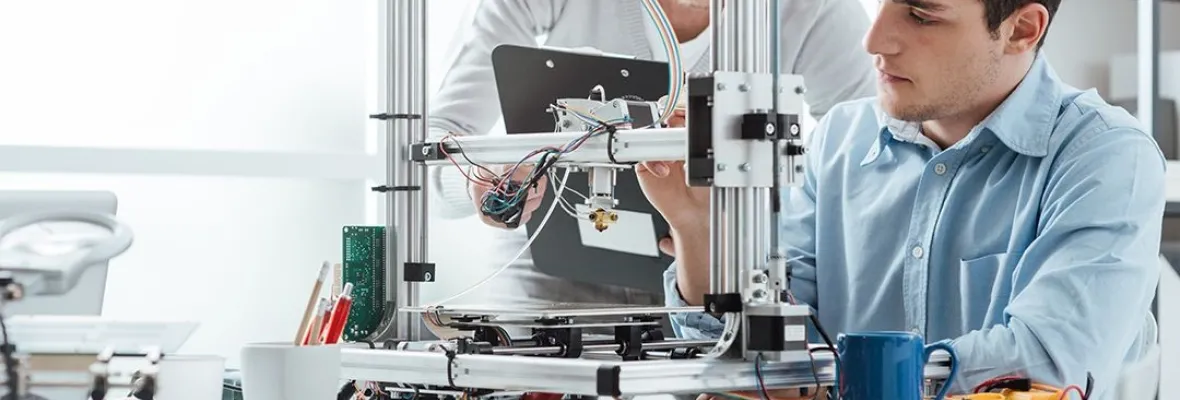
AAU universities conduct a majority of the federally funded university research that contributes to our economic competitiveness, health and well-being, and national security. AAU universities are growing our economy through invention and innovation while preparing the next generation of scientists and engineers for global leadership. By moving research into the marketplace AAU universities are helping to create jobs, and provide society with new medicines and technologies.
A study by researchers at Duke University School of Medicine found that supplying healthy mitochrondra to damaged nerve cells can signifantly help millions managing pain from diabetic neuropathy and chemotherapy.

Researchers from the USF College of Marine Science are studying soft tissue samples from barnacles, oysters, and fish to better understand the state of contamination and its origins in Tampa Bay, Florida's largest estuary.
The advancement lays the groundwork for creating a library of sugar-recognizing proteins that may help detect and treat diverse illnesses.
The olfactory senses of ants help them hunt, detect outsiders, and know their role within a colony. In a new study, researchers have discovered how ants can switch one gene on out of hundreds to ensure their survival.
Explore More: University Research
You can filter stories by the university.
Smartphone software and technology can accurately track the severity of Parkinson’s disease symptoms, a new study shows.
University of Rochester | Researching the Brain, Seeking Cures | Parkinson's & Epilepsy | University Research
A new method to make a low-cost, high-quality lens quickly using a 3D printer has promising potential to create optical imaging lenses, customized contact lenses for correcting distorted vision or to even turn iPhones into microscopes for disease diagnosis.
Michigan State University scientists are testing a promising drug that may stop a gene associated with obesity from triggering breast and lung cancer, as well as prevent these cancers from growing.
The new ultrahigh field 7 Tesla Magnetic Resonance Imaging scanner uses a more powerful magnet to produce clearer images than standard scanners.
University of Southern California | Researching the Brain, Seeking Cures | Brain Tumors | University Research
USC researchers have launched a massive scientific effort to construct a detailed, virtual 3-D model of the pancreatic beta cell and its components — a global project that aims to one day curb the worldwide rise of diabetes.