
AAU universities conduct a majority of the federally funded university research that contributes to our economic competitiveness, health and well-being, and national security. AAU universities are growing our economy through invention and innovation while preparing the next generation of scientists and engineers for global leadership. By moving research into the marketplace AAU universities are helping to create jobs, and provide society with new medicines and technologies.
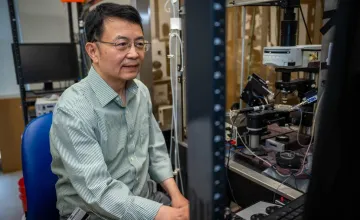
A study by researchers at Duke University School of Medicine found that supplying healthy mitochrondra to damaged nerve cells can signifantly help millions managing pain from diabetic neuropathy and chemotherapy.

Researchers from the USF College of Marine Science are studying soft tissue samples from barnacles, oysters, and fish to better understand the state of contamination and its origins in Tampa Bay, Florida's largest estuary.
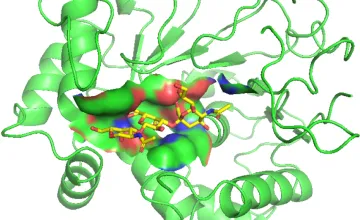
The advancement lays the groundwork for creating a library of sugar-recognizing proteins that may help detect and treat diverse illnesses.
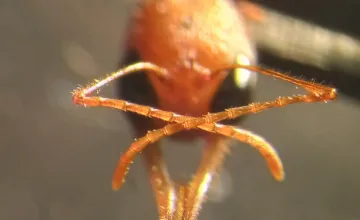
The olfactory senses of ants help them hunt, detect outsiders, and know their role within a colony. In a new study, researchers have discovered how ants can switch one gene on out of hundreds to ensure their survival.
Explore More: University Research
You can filter stories by the university.
Researchers at the University of California San Diego School of Medicine report that women whose mothers lived to at least age 90 were more likely to also live to 90, free of serious diseases and disabilities.
A research team believes a new kind of genome analysis called polygenic risk scoring could flag the likelihood of developing the fatal conditions before symptoms appear.
Researchers from the University of Minnesota (UMN) have developed a method to screen and identify harmful or antibiotic-resistant bacteria within one hour using a portable luminometer.
A class of proteins that has generated significant interest for its potential to treat diseases was shown to be effective in reducing drug use relapse in a preclinical study.
Researchers have found a "reborn: gene in elephants that responds to damaged DNA by killing the cell.