
AAU universities conduct a majority of the federally funded university research that contributes to our economic competitiveness, health and well-being, and national security. AAU universities are growing our economy through invention and innovation while preparing the next generation of scientists and engineers for global leadership. By moving research into the marketplace AAU universities are helping to create jobs, and provide society with new medicines and technologies.
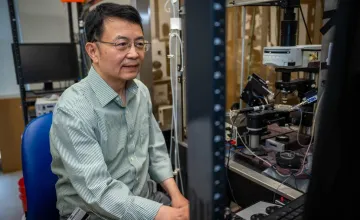
A study by researchers at Duke University School of Medicine found that supplying healthy mitochrondra to damaged nerve cells can signifantly help millions managing pain from diabetic neuropathy and chemotherapy.
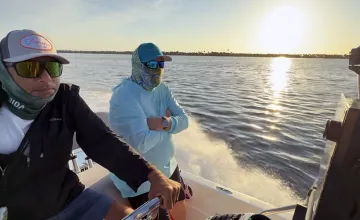
Researchers from the USF College of Marine Science are studying soft tissue samples from barnacles, oysters, and fish to better understand the state of contamination and its origins in Tampa Bay, Florida's largest estuary.
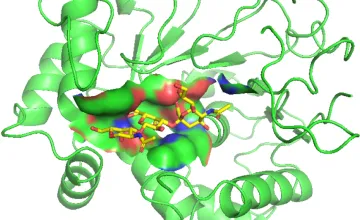
The advancement lays the groundwork for creating a library of sugar-recognizing proteins that may help detect and treat diverse illnesses.
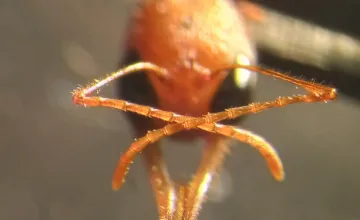
The olfactory senses of ants help them hunt, detect outsiders, and know their role within a colony. In a new study, researchers have discovered how ants can switch one gene on out of hundreds to ensure their survival.
Explore More: University Research
You can filter stories by the university.
USC researchers have designed a virtual reality tool that could increase the efficiency of brain scan analysis.
A new, comprehensive survey led by USC scientists shows the Southern California coast harbors some of the world’s highest concentrations of an algal toxin dangerous to wildlife and people who eat local seafood.
A long-term study that tracked how hundreds of species in The Carrizo Plain National Monument fared during the historic drought that struck California from 2012 to 2015 shows surprising winners and losers.
Researchers at the University of Pennsylvania have developed a gene therapy that treats a form of retinitis pigmentosa, a disease that progressively robs people of their night and peripheral vision before blindness develops.
A new Cornell-led study shows that trace metals, deposited by aerosols like dust and other particles in the atmosphere, have a hefty impact on marine biota, affecting biological productivity and changing the ocean ecosystem.