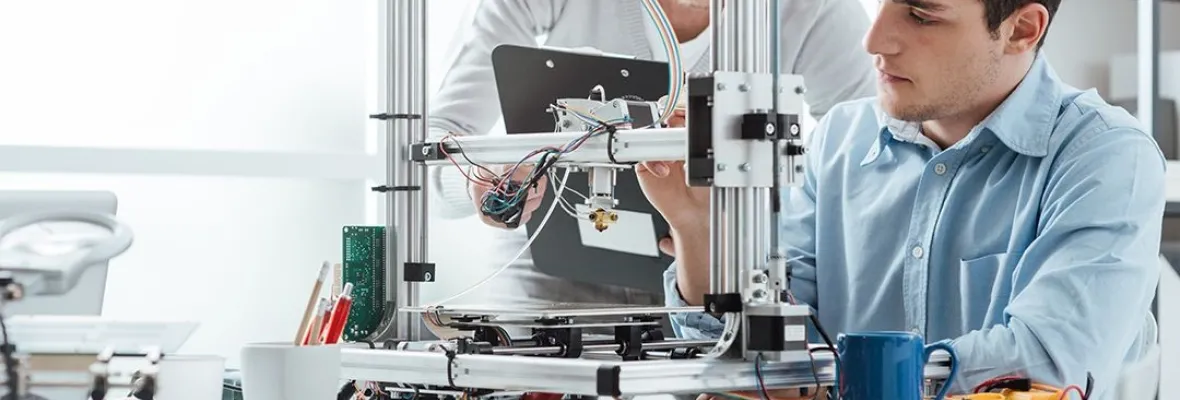
AAU universities conduct a majority of the federally funded university research that contributes to our economic competitiveness, health and well-being, and national security. AAU universities are growing our economy through invention and innovation while preparing the next generation of scientists and engineers for global leadership. By moving research into the marketplace AAU universities are helping to create jobs, and provide society with new medicines and technologies.
A study by researchers at Duke University School of Medicine found that supplying healthy mitochrondra to damaged nerve cells can signifantly help millions managing pain from diabetic neuropathy and chemotherapy.
Researchers from the USF College of Marine Science are studying soft tissue samples from barnacles, oysters, and fish to better understand the state of contamination and its origins in Tampa Bay, Florida's largest estuary.
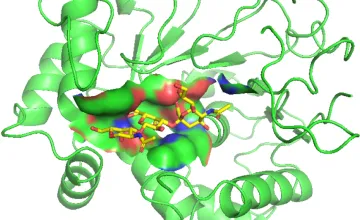
The advancement lays the groundwork for creating a library of sugar-recognizing proteins that may help detect and treat diverse illnesses.
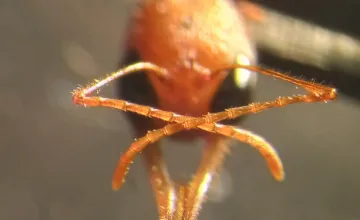
The olfactory senses of ants help them hunt, detect outsiders, and know their role within a colony. In a new study, researchers have discovered how ants can switch one gene on out of hundreds to ensure their survival.
Explore More: University Research
You can filter stories by the university.
A genomic screening approach of more than 50,000 people shows that more than 80 percent of those who carry an identifiable genetic risk for breast, ovarian, prostate, and pancreatic cancer don’t know it despite frequent interaction with the healthcare system.
New research from USC has uncovered a previously unknown genetic risk factor for Alzheimer’s disease and related dementias. The study provides insights on how these conditions, and other diseases of aging, might one day be treated and prevented.
University of Southern California | Alzheimers | Researching the Brain, Seeking Cures | University Research
A new study in animals explores the mystery of why we keep eating when our stomach says we are full.
USC engineers are working on artificial intelligence that can more accurately predict traffic patterns.
Stanford scientists have measured the human “exposome,” or the particulates, chemicals and microbes that individually swaddle us all, in unprecedented detail.