
AAU universities conduct a majority of the federally funded university research that contributes to our economic competitiveness, health and well-being, and national security. AAU universities are growing our economy through invention and innovation while preparing the next generation of scientists and engineers for global leadership. By moving research into the marketplace AAU universities are helping to create jobs, and provide society with new medicines and technologies.
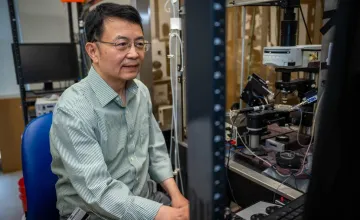
A study by researchers at Duke University School of Medicine found that supplying healthy mitochrondra to damaged nerve cells can signifantly help millions managing pain from diabetic neuropathy and chemotherapy.

Researchers from the USF College of Marine Science are studying soft tissue samples from barnacles, oysters, and fish to better understand the state of contamination and its origins in Tampa Bay, Florida's largest estuary.
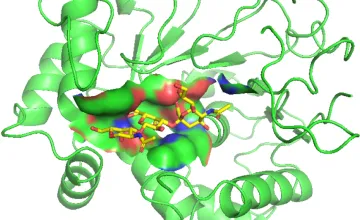
The advancement lays the groundwork for creating a library of sugar-recognizing proteins that may help detect and treat diverse illnesses.
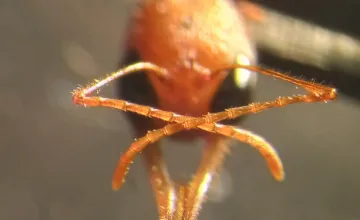
The olfactory senses of ants help them hunt, detect outsiders, and know their role within a colony. In a new study, researchers have discovered how ants can switch one gene on out of hundreds to ensure their survival.
Explore More: University Research
You can filter stories by the university.
Sossena Wood, a bioengineering PhD candidate at the University of Pittsburgh, has developed a realistic phantom head for magnetic resonance research.
Researchers at Michigan State University conducted the largest experimentally controlled study on sleep deprivation to date, revealing just how detrimental operating without sleep can be in everything from bakers adding too much salt to cookies to surgeons botching surgeries.
A recent study shows that restaurantgoers who bring home leftovers from a large meal leave feeling happy with themselves. And this sense of accomplishment causes people to eat more and exercise less afterward.
A new Yale-led international study of individuals with alcohol dependence has identified gene variants that may help explain why some heavy drinkers suffer intense withdrawal symptoms when they try to stop drinking — some, less so.
A new study from the University of Illinois suggests planting trees in the schoolyard could help improve academic performance in some of the nation’s most disadvantaged and lowest-achieving schools.