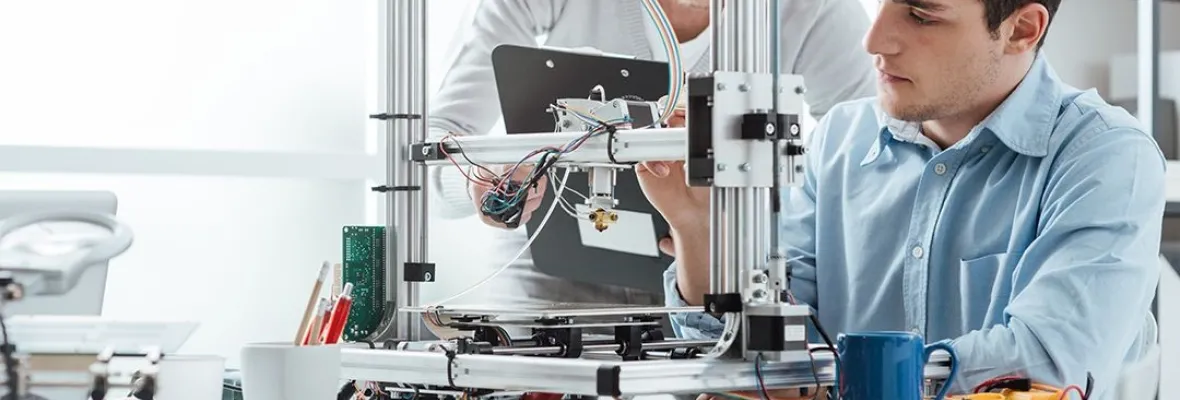
AAU universities conduct a majority of the federally funded university research that contributes to our economic competitiveness, health and well-being, and national security. AAU universities are growing our economy through invention and innovation while preparing the next generation of scientists and engineers for global leadership. By moving research into the marketplace AAU universities are helping to create jobs, and provide society with new medicines and technologies.

A study by researchers at Duke University School of Medicine found that supplying healthy mitochrondra to damaged nerve cells can signifantly help millions managing pain from diabetic neuropathy and chemotherapy.

Researchers from the USF College of Marine Science are studying soft tissue samples from barnacles, oysters, and fish to better understand the state of contamination and its origins in Tampa Bay, Florida's largest estuary.
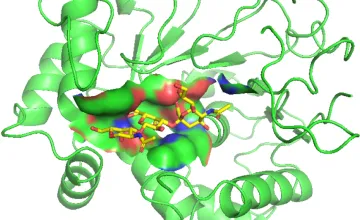
The advancement lays the groundwork for creating a library of sugar-recognizing proteins that may help detect and treat diverse illnesses.

The olfactory senses of ants help them hunt, detect outsiders, and know their role within a colony. In a new study, researchers have discovered how ants can switch one gene on out of hundreds to ensure their survival.
Explore More: University Research
You can filter stories by the university.
Researchers in Pitt’s Swanson School of Engineering have created an artificial synapse — a junction that allows brain cells to pass along information — that mimics the way the human brain completes complex tasks, with the intention of helping computers 'think' like humans.
Researchers at Purdue University may have found a solution to bird collisions with airplanes.
Sossena Wood, a bioengineering PhD candidate at the University of Pittsburgh, has developed a realistic phantom head for magnetic resonance research.
Researchers at Michigan State University conducted the largest experimentally controlled study on sleep deprivation to date, revealing just how detrimental operating without sleep can be in everything from bakers adding too much salt to cookies to surgeons botching surgeries.
A new study explores how health habits within personal social networks may impact neurological outcomes, with a special focus on multiple sclerosis.