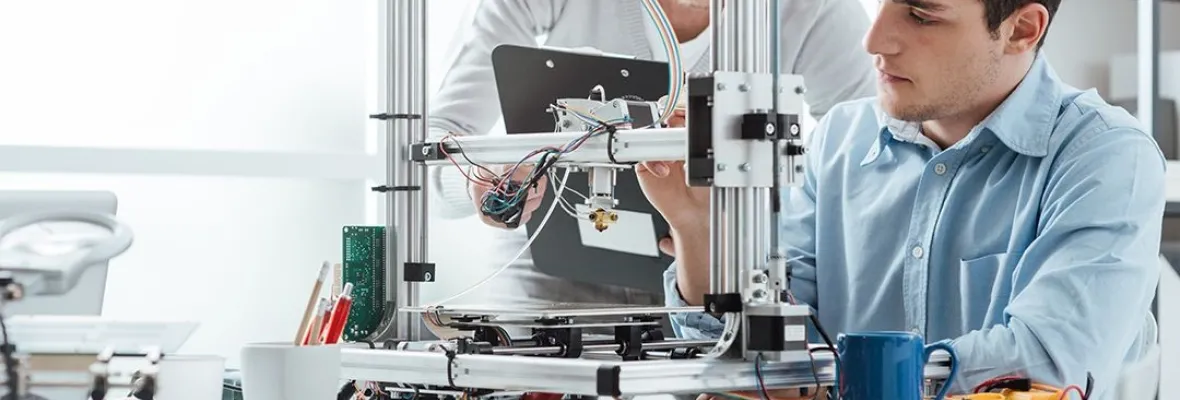
AAU universities conduct a majority of the federally funded university research that contributes to our economic competitiveness, health and well-being, and national security. AAU universities are growing our economy through invention and innovation while preparing the next generation of scientists and engineers for global leadership. By moving research into the marketplace AAU universities are helping to create jobs, and provide society with new medicines and technologies.
A study by researchers at Duke University School of Medicine found that supplying healthy mitochrondra to damaged nerve cells can signifantly help millions managing pain from diabetic neuropathy and chemotherapy.
Researchers from the USF College of Marine Science are studying soft tissue samples from barnacles, oysters, and fish to better understand the state of contamination and its origins in Tampa Bay, Florida's largest estuary.
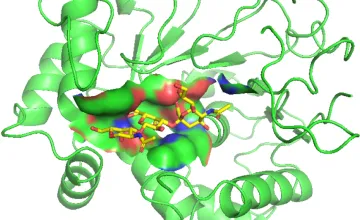
The advancement lays the groundwork for creating a library of sugar-recognizing proteins that may help detect and treat diverse illnesses.
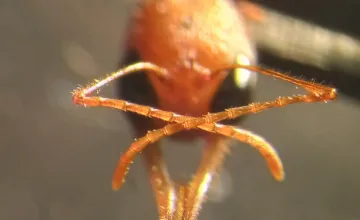
The olfactory senses of ants help them hunt, detect outsiders, and know their role within a colony. In a new study, researchers have discovered how ants can switch one gene on out of hundreds to ensure their survival.
Explore More: University Research
You can filter stories by the university.
With a couple of chemical tweaks, University of Oregon chemists have taken a step forward in efforts to harness organic molecules as a cheaper alternative to traditional silicon-based conductors in digital storage devices.
Researchers have uncovered evidence that the majority of driver mutations — genetic mutations that help create or sustain cancerous cells — are shared by both the primary tumor and metastases.
The National Institutes of Health backs a Rice University lab’s efforts to develop implantable “drug factories” that monitor blood glucose and release insulin on demand for patients with diabetes.
Researchers have developed designer molecules that may one day be able to seek out and trap deadly nerve agents and other toxic compounds in the environment – and possibly in humans.
USC scientists have created the most detailed atlas yet of the hippocampus, the brain’s memory bank. Using fluorescent tracers and 3D animation, the scientists show structures, nerve connections and functions in vivid detail.