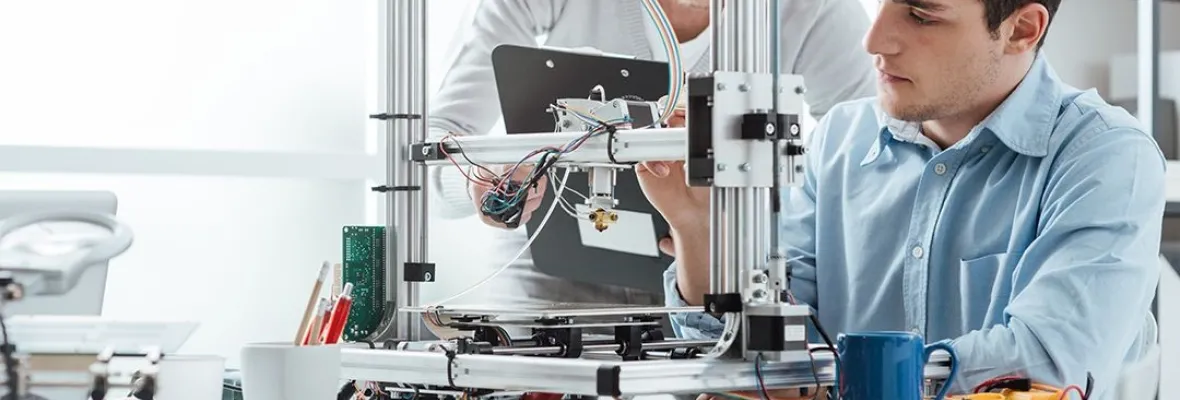
AAU universities conduct a majority of the federally funded university research that contributes to our economic competitiveness, health and well-being, and national security. AAU universities are growing our economy through invention and innovation while preparing the next generation of scientists and engineers for global leadership. By moving research into the marketplace AAU universities are helping to create jobs, and provide society with new medicines and technologies.
A study by researchers at Duke University School of Medicine found that supplying healthy mitochrondra to damaged nerve cells can signifantly help millions managing pain from diabetic neuropathy and chemotherapy.

Researchers from the USF College of Marine Science are studying soft tissue samples from barnacles, oysters, and fish to better understand the state of contamination and its origins in Tampa Bay, Florida's largest estuary.
The advancement lays the groundwork for creating a library of sugar-recognizing proteins that may help detect and treat diverse illnesses.
The olfactory senses of ants help them hunt, detect outsiders, and know their role within a colony. In a new study, researchers have discovered how ants can switch one gene on out of hundreds to ensure their survival.
Explore More: University Research
You can filter stories by the university.
Ringing the victory bell is a common ritual for people who finish cancer treatment, but a new study from the University of Southern California suggests it could cause lingering distress rather than joy.
University of Pittsburgh researchers have developed the CyteSolutions Lens, a silicone-hydrogel-based contact lens coated with natural biopolymers — organic molecular structures — containing a drug that targets inflammatory dry eye pathways not targeted by any other current treatments.
Researchers at the University of Missouri find that when the brain is deprived of input from a lost hand, it reorganizes its neural map and reroutes those functions to the remaining hand.
In a new paper, a team of USC computer scientists and psychologists teamed up to investigate how music affects how you act, feel and think
Stanford researchers designed a tactile display that aims to make 3D printing and computer-aided design accessible to people who are blind and visually impaired.