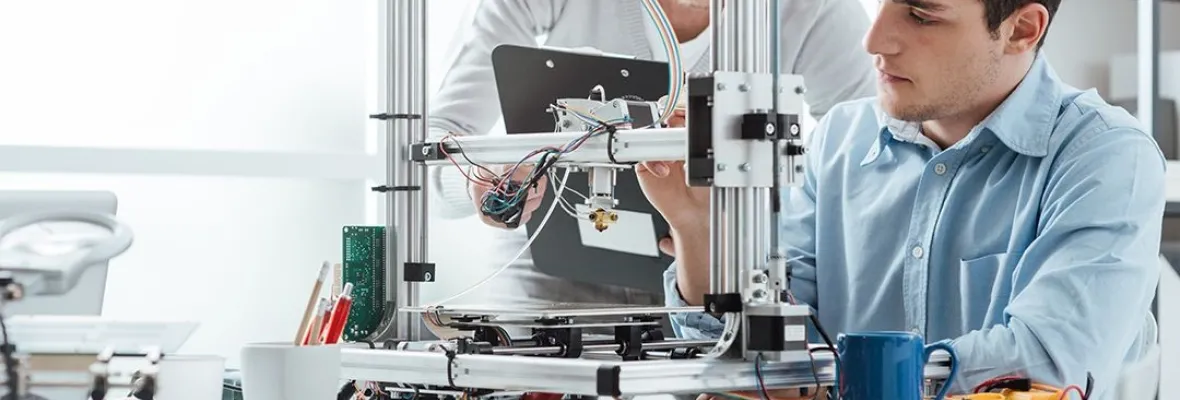
AAU universities conduct a majority of the federally funded university research that contributes to our economic competitiveness, health and well-being, and national security. AAU universities are growing our economy through invention and innovation while preparing the next generation of scientists and engineers for global leadership. By moving research into the marketplace AAU universities are helping to create jobs, and provide society with new medicines and technologies.
A study by researchers at Duke University School of Medicine found that supplying healthy mitochrondra to damaged nerve cells can signifantly help millions managing pain from diabetic neuropathy and chemotherapy.
Researchers from the USF College of Marine Science are studying soft tissue samples from barnacles, oysters, and fish to better understand the state of contamination and its origins in Tampa Bay, Florida's largest estuary.
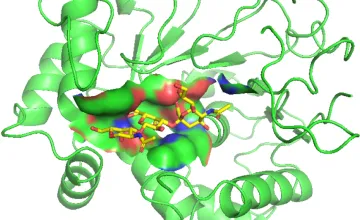
The advancement lays the groundwork for creating a library of sugar-recognizing proteins that may help detect and treat diverse illnesses.
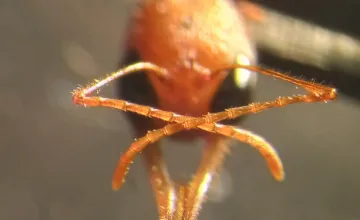
The olfactory senses of ants help them hunt, detect outsiders, and know their role within a colony. In a new study, researchers have discovered how ants can switch one gene on out of hundreds to ensure their survival.
Explore More: University Research
You can filter stories by the university.
The University of Florida’s HiPerGator AI supercomputer has been named the one of the most powerful worldwide, according to rankings just released by TOP500, the most referenced global ranking of high-performance computing systems.
A team of scientists at the University of California, Irvine, have found that climate change is leading to vegetation loss in Southern California's deserts and mountains.
An electroencephalogram (EEG) study of adolescents with autism spectrum disorder (ASD) identified a neural signal that may help explain the variation of how those with ASD perceive or understand the mental states of others (called “Theory of Mind”)
A Univ. of Washington analysis of requests and donations to GoFundMe, along with Census data, found that affluent and educated communities created more fundraising campaigns, and received more in return, during the early months of the pandemic than other communities with fewer resources.
Researchers at the University of Washington have developed a deep learning method that can animate a photo of any flowing material, including water, smoke, and clouds, into a video.