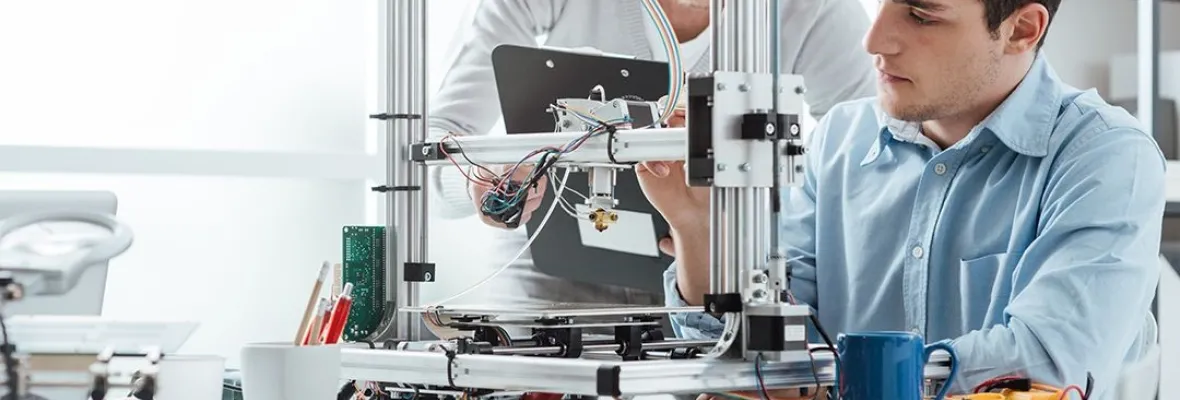
AAU universities conduct a majority of the federally funded university research that contributes to our economic competitiveness, health and well-being, and national security. AAU universities are growing our economy through invention and innovation while preparing the next generation of scientists and engineers for global leadership. By moving research into the marketplace AAU universities are helping to create jobs, and provide society with new medicines and technologies.
A study by researchers at Duke University School of Medicine found that supplying healthy mitochrondra to damaged nerve cells can signifantly help millions managing pain from diabetic neuropathy and chemotherapy.

Researchers from the USF College of Marine Science are studying soft tissue samples from barnacles, oysters, and fish to better understand the state of contamination and its origins in Tampa Bay, Florida's largest estuary.
The advancement lays the groundwork for creating a library of sugar-recognizing proteins that may help detect and treat diverse illnesses.
The olfactory senses of ants help them hunt, detect outsiders, and know their role within a colony. In a new study, researchers have discovered how ants can switch one gene on out of hundreds to ensure their survival.
Explore More: University Research
You can filter stories by the university.
The U.S. Food and Drug Administration (FDA) has authorized the SalivaDirect PCR COVID-19 test created by the Yale School of Public Health for use with pooled saliva samples.
Investigators from Stony Brook U believe they have identified what may be a new approach toward developing another class of better antifungal agents.
Single-use gowns, paper towels, gloves, plastic packaging and butcher paper can make dental education’s carbon footprint large, but the Ostrow Sustainability Group aims to change that paradigm — teaching dental students how to practice dentistry without trashing the planet.
University at Buffalo researchers have developed a new process for creating three-dimensional artificial tissue, an advancement that could improve experimental drug testing, the quality of artificial organs and more.
Estimates compiled by experts from UC Irvine and Columbia University show that global carbon dioxide emissions as of the end of September 2021 were just 0.9 percent lower than emissions at the same time in 2019.