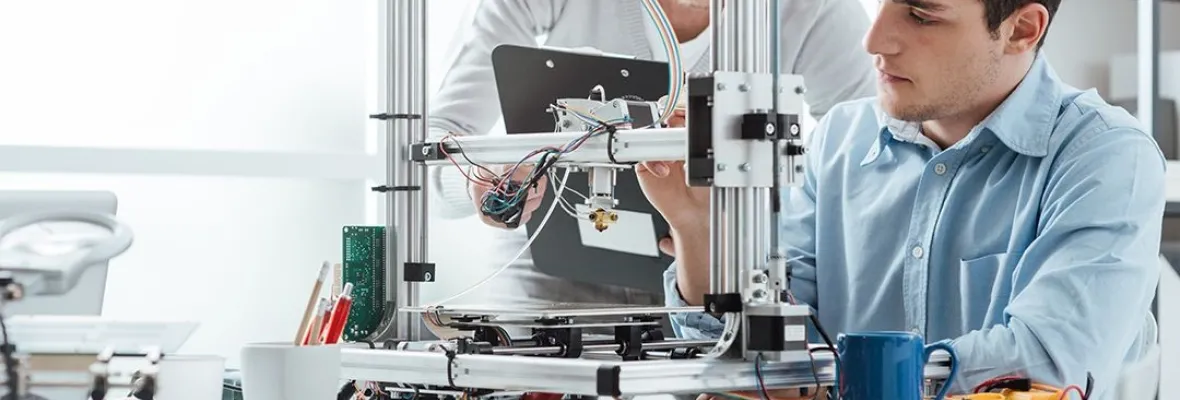
AAU universities conduct a majority of the federally funded university research that contributes to our economic competitiveness, health and well-being, and national security. AAU universities are growing our economy through invention and innovation while preparing the next generation of scientists and engineers for global leadership. By moving research into the marketplace AAU universities are helping to create jobs, and provide society with new medicines and technologies.
A study by researchers at Duke University School of Medicine found that supplying healthy mitochrondra to damaged nerve cells can signifantly help millions managing pain from diabetic neuropathy and chemotherapy.

Researchers from the USF College of Marine Science are studying soft tissue samples from barnacles, oysters, and fish to better understand the state of contamination and its origins in Tampa Bay, Florida's largest estuary.
The advancement lays the groundwork for creating a library of sugar-recognizing proteins that may help detect and treat diverse illnesses.
The olfactory senses of ants help them hunt, detect outsiders, and know their role within a colony. In a new study, researchers have discovered how ants can switch one gene on out of hundreds to ensure their survival.
Explore More: University Research
You can filter stories by the university.
Critics of renewables question the dependability of systems that rely on intermittent resources. A recent study led by researchers at the University of California, Irvine tackles the reliability question head-on.
A silicon device developed by Indiana researchers that can change skin tissue into blood vessels and nerve cells has advanced from prototype to standardized fabrication, meaning it can now be made in a consistent, reproducible way
Neuroimaging study reveals potential brain mechanism underlying chronic neuropathic pain in individuals with HIV
Stony Brook researchers are part of a new NASA Earth Science mission that aims to yield new information about tropical storm clouds during their lifecycles – data that will help scientists better understand and predict the behavior of dangerous tropical storms and address a significant issue of climate change
Cellular study of telaprevir, a drug for hepatitis, shows that the antiviral blocks the function of essential proteins in bacteria, revealing opportunity to repurpose drug to use alongside antibiotics