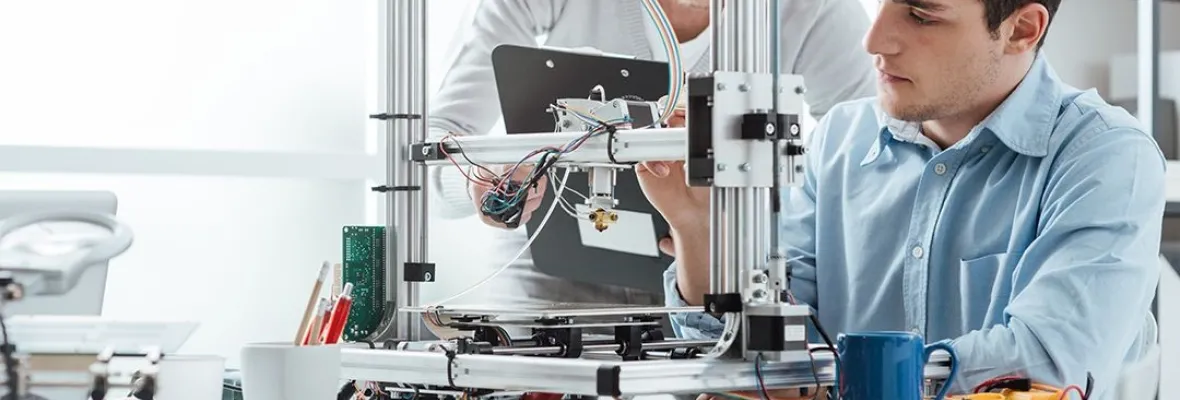
AAU universities conduct a majority of the federally funded university research that contributes to our economic competitiveness, health and well-being, and national security. AAU universities are growing our economy through invention and innovation while preparing the next generation of scientists and engineers for global leadership. By moving research into the marketplace AAU universities are helping to create jobs, and provide society with new medicines and technologies.
A study by researchers at Duke University School of Medicine found that supplying healthy mitochrondra to damaged nerve cells can signifantly help millions managing pain from diabetic neuropathy and chemotherapy.

Researchers from the USF College of Marine Science are studying soft tissue samples from barnacles, oysters, and fish to better understand the state of contamination and its origins in Tampa Bay, Florida's largest estuary.
The advancement lays the groundwork for creating a library of sugar-recognizing proteins that may help detect and treat diverse illnesses.
The olfactory senses of ants help them hunt, detect outsiders, and know their role within a colony. In a new study, researchers have discovered how ants can switch one gene on out of hundreds to ensure their survival.
Explore More: University Research
You can filter stories by the university.
UW experts showed that while overall pollutant concentrations have decreased since 1990, people of color are still more likely to suffer from pollution disparities, regardless of income level, across the continental United States.
A new University of Illinois study demonstrates how modern top-down models that account for climate-related factors combined with traditional bottom-up tectonic models can help uncover the perplexing history of the Andes Mountains.
Analyses from University of Illinois researchers show that, underneath all the variants and waves, COVID-19 has been cycling seasonally across the globe for nearly two years.
A team of scientists has developed an epidemiological model that shows how COVID could become endemic, like the cold or flu.
Confronting COVID-19 | Harvard University | University of California San Diego | University of Illinois Urbana-Champaign | University Research
Illinois chemical and biomolecular engineering professor Xiao Su and colleagues found an economical and sustainable method for lithium-ion battery recycling
University of Illinois Urbana-Champaign | Research to Secure Our Energy Future | University Research