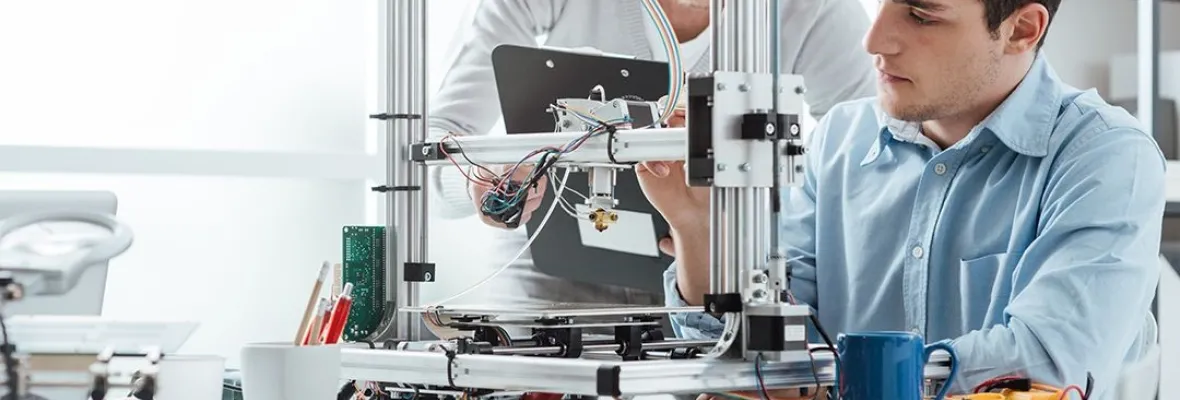
AAU universities conduct a majority of the federally funded university research that contributes to our economic competitiveness, health and well-being, and national security. AAU universities are growing our economy through invention and innovation while preparing the next generation of scientists and engineers for global leadership. By moving research into the marketplace AAU universities are helping to create jobs, and provide society with new medicines and technologies.
A study by researchers at Duke University School of Medicine found that supplying healthy mitochrondra to damaged nerve cells can signifantly help millions managing pain from diabetic neuropathy and chemotherapy.

Researchers from the USF College of Marine Science are studying soft tissue samples from barnacles, oysters, and fish to better understand the state of contamination and its origins in Tampa Bay, Florida's largest estuary.
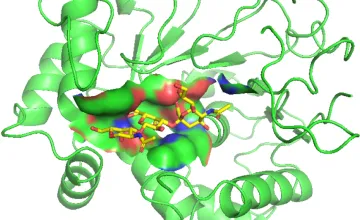
The advancement lays the groundwork for creating a library of sugar-recognizing proteins that may help detect and treat diverse illnesses.
The olfactory senses of ants help them hunt, detect outsiders, and know their role within a colony. In a new study, researchers have discovered how ants can switch one gene on out of hundreds to ensure their survival.
Explore More: University Research
You can filter stories by the university.
Exposure to phthalates — a group of chemicals found in everything from plastics to personal care products to electronics—may disrupt an important hormone needed to sustain a healthy pregnancy, according to a Rutgers study.
Antihistamines may provide relief for the millions of people suffering from the painful, debilitating symptoms of long COVID-19 that impair daily functioning. That’s the conclusion of a case report on the experiences of two such patients co-authored by nursing scholars at the University of California, Irvine.
Confronting COVID-19 | Indiana University Bloomington | UC Irvine | University of Miami | University Research
New research from a Boston University pilot study suggests the placenta could also be helping to protect the unborn baby from COVID-19.
Rutgers study finds airborne particles containing the virus SARS-CoV-2 beyond self-isolation rooms in homes of infected people, posing the risk of COVID-19 exposure to others in the home.
Researchers at the University of Washington have developed a new test for COVID-19 that combines the speed of over-the-counter antigen tests with the accuracy of PCR tests that are processed in medical labs and hospitals.