
AAU universities conduct a majority of the federally funded university research that contributes to our economic competitiveness, health and well-being, and national security. AAU universities are growing our economy through invention and innovation while preparing the next generation of scientists and engineers for global leadership. By moving research into the marketplace AAU universities are helping to create jobs, and provide society with new medicines and technologies.
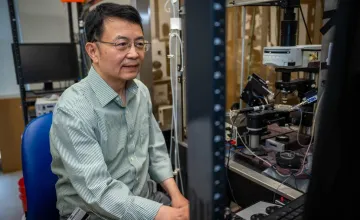
A study by researchers at Duke University School of Medicine found that supplying healthy mitochrondra to damaged nerve cells can signifantly help millions managing pain from diabetic neuropathy and chemotherapy.

Researchers from the USF College of Marine Science are studying soft tissue samples from barnacles, oysters, and fish to better understand the state of contamination and its origins in Tampa Bay, Florida's largest estuary.
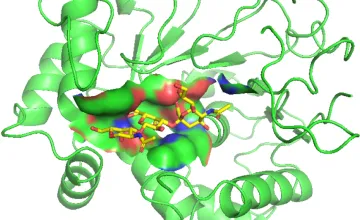
The advancement lays the groundwork for creating a library of sugar-recognizing proteins that may help detect and treat diverse illnesses.
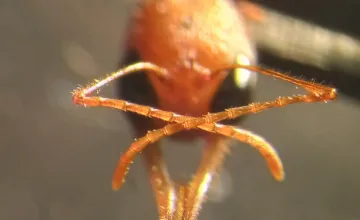
The olfactory senses of ants help them hunt, detect outsiders, and know their role within a colony. In a new study, researchers have discovered how ants can switch one gene on out of hundreds to ensure their survival.
Explore More: University Research
You can filter stories by the university.
Brain injuries, access to firearms, and a culture of selflessness intersect to put the lives of our nation’s heroes at risk, according to an NYU Meyers researcher
University of Rochester research provides an updated timeline of human-Neanderthal interactions, revealing patterns in the genetic legacy of this ancient exchange.
KU researchers, with a $3.1M NIH grant, are studying why some carriers of the FMR1 premutation develop FXTAS—a neurodegenerative condition often misdiagnosed as Parkinson’s or Alzheimer’s—to improve early detection and treatment.
KU and USC researchers developed a biotech process to recycle carbon fiber composites, recovering both the fibers and matrix byproducts for reuse— including turning waste into valuable compounds for medical applications.
USF researchers link the Western diet’s processed foods and unhealthy fats to colorectal cancer growth, highlighting a new approach—“resolution medicine”—using healthy fats to fight chronic inflammation.