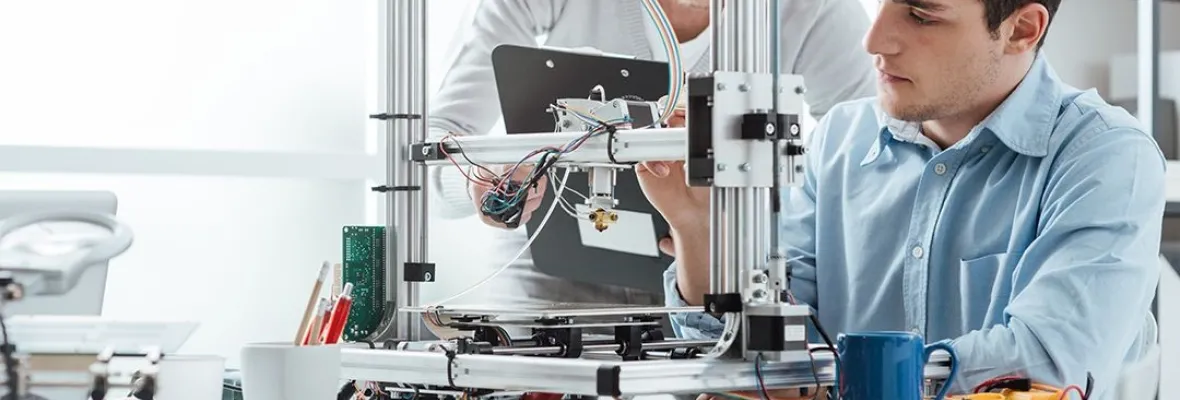
AAU universities conduct a majority of the federally funded university research that contributes to our economic competitiveness, health and well-being, and national security. AAU universities are growing our economy through invention and innovation while preparing the next generation of scientists and engineers for global leadership. By moving research into the marketplace AAU universities are helping to create jobs, and provide society with new medicines and technologies.
A study by researchers at Duke University School of Medicine found that supplying healthy mitochrondra to damaged nerve cells can signifantly help millions managing pain from diabetic neuropathy and chemotherapy.
Researchers from the USF College of Marine Science are studying soft tissue samples from barnacles, oysters, and fish to better understand the state of contamination and its origins in Tampa Bay, Florida's largest estuary.
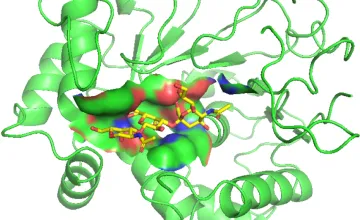
The advancement lays the groundwork for creating a library of sugar-recognizing proteins that may help detect and treat diverse illnesses.
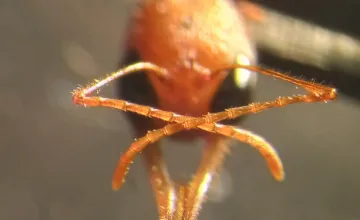
The olfactory senses of ants help them hunt, detect outsiders, and know their role within a colony. In a new study, researchers have discovered how ants can switch one gene on out of hundreds to ensure their survival.
Explore More: University Research
You can filter stories by the university.
A global study of asthma patients by Rutgers and an international team of researchers found a combination of two drugs dramatically reduces the chances of suffering an asthma attack.
UCI-led study shows the global shift of land-use greenhouse gas emissions
Vulnerable teens who lose a pregnancy are at increased suicide risk, new research from UO’s Prevention Science Institute shows.
As the United States passes one million COVID-19 deaths, a BU researcher suggests the actual number may be closer to 1.2 million
Scientists at UC San Diego have made the first detection of groundwater beneath an Antarctic ice stream. The discovery confirms what researchers had already suspected but had been unable to verify until now.