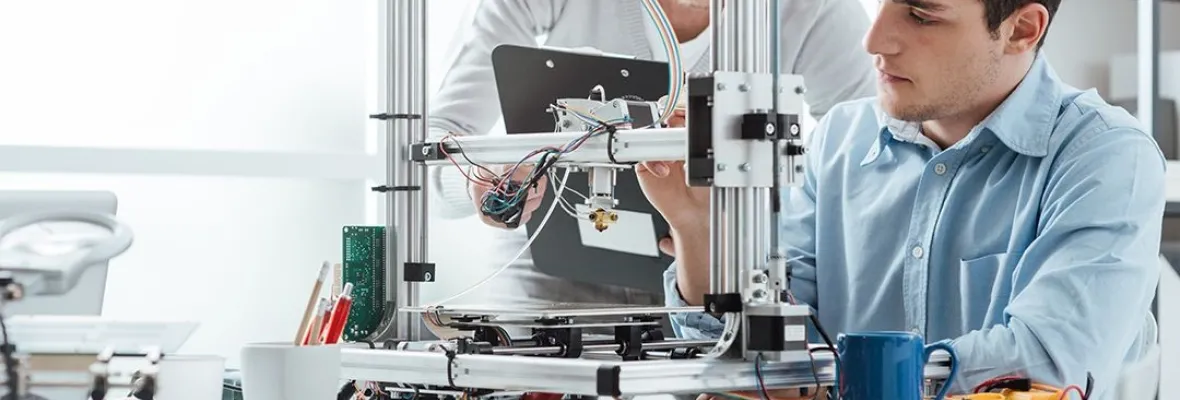
AAU universities conduct a majority of the federally funded university research that contributes to our economic competitiveness, health and well-being, and national security. AAU universities are growing our economy through invention and innovation while preparing the next generation of scientists and engineers for global leadership. By moving research into the marketplace AAU universities are helping to create jobs, and provide society with new medicines and technologies.
A study by researchers at Duke University School of Medicine found that supplying healthy mitochrondra to damaged nerve cells can signifantly help millions managing pain from diabetic neuropathy and chemotherapy.

Researchers from the USF College of Marine Science are studying soft tissue samples from barnacles, oysters, and fish to better understand the state of contamination and its origins in Tampa Bay, Florida's largest estuary.
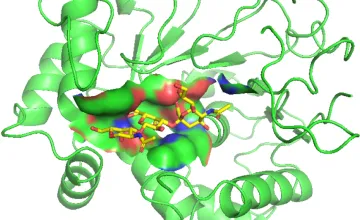
The advancement lays the groundwork for creating a library of sugar-recognizing proteins that may help detect and treat diverse illnesses.
The olfactory senses of ants help them hunt, detect outsiders, and know their role within a colony. In a new study, researchers have discovered how ants can switch one gene on out of hundreds to ensure their survival.
Explore More: University Research
You can filter stories by the university.
Rochester biologists who study the genetics of lifespan suggest novel targets to combat aging and age-related diseases.
Crafty hackers can make a tool to eavesdrop on some 6G wireless signals in as little as 5 minutes using office paper, an inkjet printer, a metallic foil transfer and a laminator.
Experts at Stony Brook University and Penn determined that the language people use in Facebook posts can identify those at risk for hazardous drinking habits and alcohol-use disorders.
Stony Brook University - The State University of New York | University of Pennsylvania | University Research
UB preclinical study also demonstrates that low-to-moderate levels of drinking negatively affect the adolescent brain
Engineers at the University of California San Diego have developed a low cost, low power technology to help robots accurately map their way indoors, even in poor lighting and without recognizable landmarks or features