
AAU universities conduct a majority of the federally funded university research that contributes to our economic competitiveness, health and well-being, and national security. AAU universities are growing our economy through invention and innovation while preparing the next generation of scientists and engineers for global leadership. By moving research into the marketplace AAU universities are helping to create jobs, and provide society with new medicines and technologies.
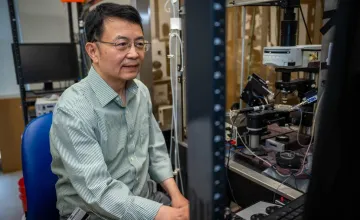
A study by researchers at Duke University School of Medicine found that supplying healthy mitochrondra to damaged nerve cells can signifantly help millions managing pain from diabetic neuropathy and chemotherapy.

Researchers from the USF College of Marine Science are studying soft tissue samples from barnacles, oysters, and fish to better understand the state of contamination and its origins in Tampa Bay, Florida's largest estuary.

The advancement lays the groundwork for creating a library of sugar-recognizing proteins that may help detect and treat diverse illnesses.
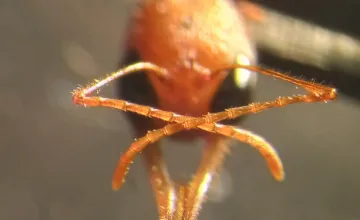
The olfactory senses of ants help them hunt, detect outsiders, and know their role within a colony. In a new study, researchers have discovered how ants can switch one gene on out of hundreds to ensure their survival.
Explore More: University Research
You can filter stories by the university.
A new program could strengthen the security and privacy of WhatsApp, Signal, and other end-to-end encrypted messaging apps and help them better moderate online abuse
A University of Kansas study debunks the idea that wearing a mask to slow the spread of disease damages most everyday social exchanges.
A new USC study finds that 23% of people infected with COVID will end up having long COVID and identifies predictors of who is likely to develop the sometimes-debilitating symptoms that can last for months.
An experimental drug restored brain synapses in two mouse models of Alzheimer’s disease, raising hopes that it could help revive cognitive function in human dementia patients, Yale University researchers report.
Using newly developed and culturally informed methods, a UO team was able to more than triple the number of Latinx people getting tested for COVID-19, according to a recently published research paper.