
AAU universities conduct a majority of the federally funded university research that contributes to our economic competitiveness, health and well-being, and national security. AAU universities are growing our economy through invention and innovation while preparing the next generation of scientists and engineers for global leadership. By moving research into the marketplace AAU universities are helping to create jobs, and provide society with new medicines and technologies.

A study by researchers at Duke University School of Medicine found that supplying healthy mitochrondra to damaged nerve cells can signifantly help millions managing pain from diabetic neuropathy and chemotherapy.

Researchers from the USF College of Marine Science are studying soft tissue samples from barnacles, oysters, and fish to better understand the state of contamination and its origins in Tampa Bay, Florida's largest estuary.
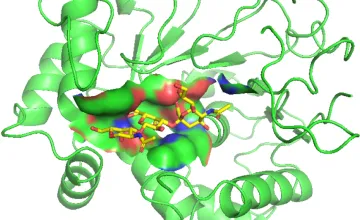
The advancement lays the groundwork for creating a library of sugar-recognizing proteins that may help detect and treat diverse illnesses.
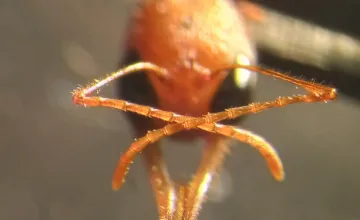
The olfactory senses of ants help them hunt, detect outsiders, and know their role within a colony. In a new study, researchers have discovered how ants can switch one gene on out of hundreds to ensure their survival.
Explore More: University Research
You can filter stories by the university.
Data scientist Timothy Norris highlights the cultural discourse and indigeneity tensions that mapmaking has generated, especially over the past three centuries.
NOAA has predicted a “near-normal” 2023 Atlantic hurricane season, which starts June 1. But unusually warm Atlantic Ocean temperatures could cancel the effects of the El Niño weather pattern, resulting in a busy storm season.
Researchers explore the possible biological reasons for the role the psychedelic drug MDMA may be playing in the successful treatment of PTSD.
In a new study, scientists unveiled global observations of aurora associated with carbon dioxide using satellite measurements.
Notre Dame biologist’s research determines insects are on the decline.